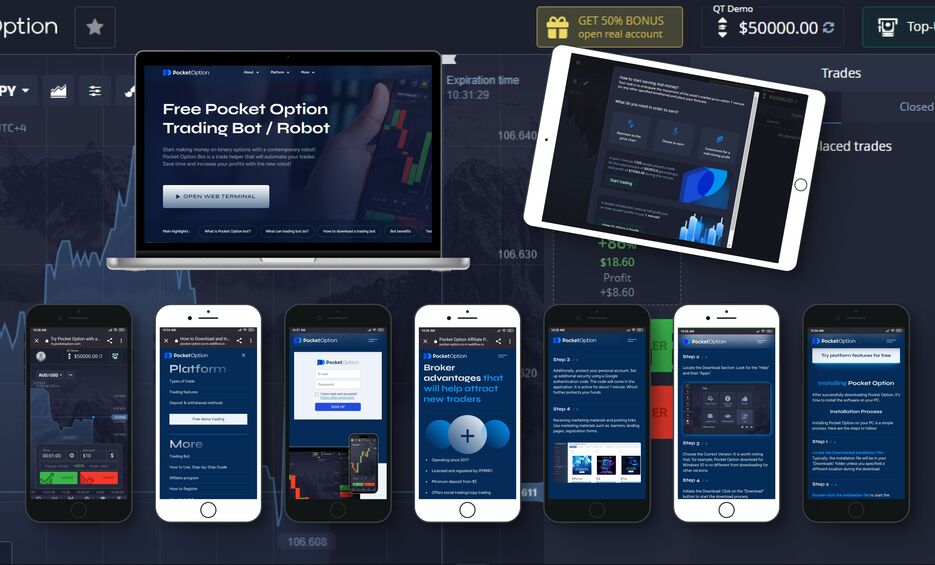
Unlocking the Potential of Pocket Option API for Trading Success
The Pocket Option API is a powerful tool designed for traders looking to enhance their trading experience. With the right integration, users can automate trades, access real-time data, and develop custom trading algorithms. In this article, we will delve into the features of the Pocket Option API, explore its benefits, and provide insights on how to get started. Also, if you’re interested in learning more about withdrawing your funds, visit pocket option api ????? ????? Poket Option for further information.
What is Pocket Option API?
The Pocket Option API provides developers with the ability to interact with the Pocket Option trading platform programmatically. This means that in addition to manual trading, users can create automated trading systems that can react to market conditions far quicker than a human will be able to. The API allows access to various data points, including live market prices, trade execution, and account management features.
Features of Pocket Option API
- Real-time Market Data: Users can obtain live updates on asset prices and market conditions, crucial for making informed trading decisions.
- Automated Trading: The API enables users to set up automated trading strategies that execute trades based on predefined criteria without human intervention.
- Account Management: Traders can access their account balances, transaction history, and open trades, providing a comprehensive overview of their trading activities.
- Custom Indicators and Signals: Users can create and implement custom indicators that suit their trading strategies, allowing for tailored market analysis.
- WebSocket Support: The API supports WebSocket connections, allowing for real-time data streaming and instantaneous trade execution.
Benefits of Using Pocket Option API
Integrating the Pocket Option API into your trading activities can offer several significant advantages:
- Speed and Efficiency: Automated trading allows for rapid responses to market changes, which can lead to better trading outcomes.
- Reduced Emotion in Trading: Automation helps in minimizing emotional decision-making, which is often detrimental to trading success.
- Flexibility: Users can backtest their strategies using historical data, making it easier to refine their approaches before deploying them in real-time trading.
- Enhanced Market Analysis: With access to extensive data and the ability to create custom indicators, traders can gain deeper insights into market movements.
How to Get Started with Pocket Option API
Getting started with the Pocket Option API involves a few straightforward steps:
1. Sign Up for a Pocket Option Account
First, you need a Pocket Option trading account. You can sign up for free on their official website, ensuring that you complete all necessary verification steps.
2. Accessing API Documentation
Once you have your account set up, the next step is to familiarize yourself with the API documentation. This documentation will provide vital information regarding endpoints, request formats, and response structures.
3. Obtain API Credentials
To interact with the API, you will be required to generate your API keys. These keys are crucial for authenticating your requests and ensuring the security of your trading activities.

4. Programming Environment Setup
Set up your development environment. The Pocket Option API can be accessed using various programming languages such as Python, JavaScript, and Java. Choose a language you are comfortable with and install any necessary libraries.
5. Build Your Trading System
Start building your trading system using the API. Begin by retrieving market data, and then proceed to implement your trading strategies. You may also want to create a user interface for easier monitoring.
Popular Use Cases
The Pocket Option API can be applied in various trading scenarios:
1. Algorithmic Trading
Many traders leverage the API to build complex algorithms that can trade on their behalf, executing trades based on thresholds or indicators.
2. Trading Bots
Creating trading bots that use predefined strategies, including scalping and trend following, is a common use case. These bots can operate continuously, monitoring market conditions and executing trades automatically.
3. Portfolio Management
Traders can develop applications that monitor their investment portfolios, automatically reallocating funds based on performance metrics.
Challenges to Consider
While the Pocket Option API offers numerous benefits, there are challenges that traders should be aware of:
- Technical Skills Required: Developing automated trading systems requires a good understanding of programming, which may be a barrier for some traders.
- Market Risks: Automated systems can execute large numbers of trades quickly, which may result in significant losses if not properly managed.
- API Limitations: Not all features on the Pocket Option platform may be accessible through the API, which can limit certain functionalities.
Conclusion
The Pocket Option API opens up a world of possibilities for traders willing to harness technology to improve their trading performance. With features such as real-time market data, automated trading capabilities, and custom indicators, it’s an excellent resource for both novice and experienced traders. By understanding its functionalities and implementing them effectively, traders can maximize their profits and improve their overall trading experience.
For anyone looking to integrate technology into their trading strategies, the Pocket Option API represents a significant step towards achieving greater efficiency and success in the financial markets.
Leave a Reply