
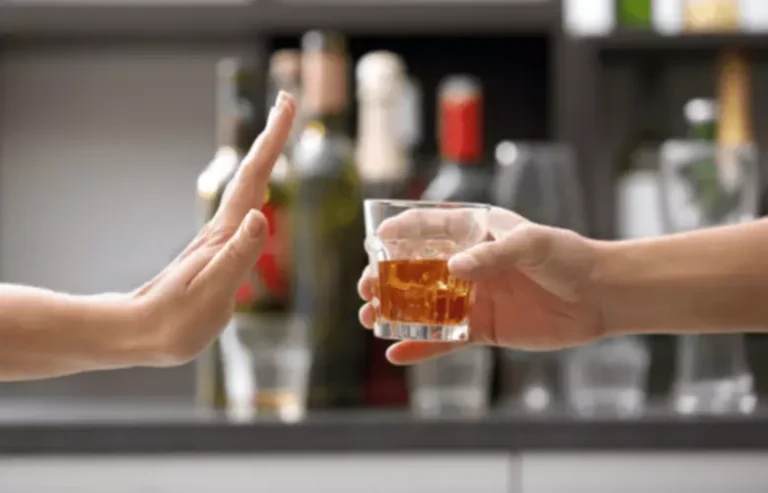
For those seeking assistance in overcoming alcohol addiction, a valuable resource is AlcoholAwareness.org. This online platform provides information, support, and access to free resources in your local area. Whether you’re looking for counseling, support groups, or treatment facilities, AlcoholAwareness.org can guide you towards the help you need to break free from alcohol dependence. Approximately 2 h after ingestion, the alcohol content in the participant’s blood was measured so that the individual would leave the laboratory with the same quantity that was recorded when he/she arrived, thus preventing any types of problems for the subjects. Unfortunately, the studies and surveys referenced in this article didn’t report data on, or include, participants who were transgender, nonbinary, gender alcoholism and vision nonconforming, genderqueer, agender, or genderless.

Are there any ways to prevent alcohol-related vision damage?
The effects of drugs of abuse on the visual system is best addressed anatomically. Routes of administration include, but are not limited to, oral ingestion, nasal inhalation, intravenous injection, smoking, topical application, or application to other mucosal surfaces. The development of novel substances of abuse and novel routes of administration may surprise even the most astute clinician if substance abuse is not suspected. Over time, excessive alcohol use can cause lasting damage to the eye that may promote conditions of vision loss and unusual eye movement.
The Silent Culprit – Alcohol-Induced Damage to Blood Vessels
- However, alcohol can slow down the ability for your eyes to dilate or constrict.
- The cornea contains the highest concentration of nerve endings in the entire body.
- In addition, the Beck Depression and Anxiety Inventories were used 38 with the goal of tracking possible symptoms related to depression and anxiety, considering a cut-off point equal to or higher than 20 points, which was used in a study with a Brazilian sample 39.
- Even small changes can help reduce a person’s risk of developing issues with their eyes or other aspects of health.
Because the optic nerve is made up of neurological transmitters, it can become damaged by alcohol, just like in the brain. You may consider first reaching out to a doctor, as they may be able to help determine your medical needs and possibly refer you to treatment centers. You may also be able to find alcohol addiction treatment near you by visiting the SAMHSA treatment locator. According to the 2018 National Survey on Drug Use and Health (NSDUH), 14.4 million Americans over the age of 18 have an alcohol use disorder.13 Among U.S. adults, 1 in 6 binge drinks about 4 times a month, drinking 7 alcoholic beverages per binge. While not everyone who binge drinks has an AUD, it can be a very significant risk factor for the development of an AUD.
Sociodemographic characteristics and alcohol consumption
Treatments can vary based on how alcohol has affected a person’s eyes and optic nerve. Intoxication is responsible for short-term effects such as blurred vision. Once a person recovers from intoxication, their vision should return to normal.
The cornea contains the highest concentration of nerve endings in the entire body. Both prescribed and illicit drugs of abuse topically-applied may anesthetize the cornea, leading to injuries of the ocular surface and predisposition to infectious corneal ulcers. Agents often implicated in these injuries include cocaine, crack cocaine,7 and topical anesthetics. Not only can drinking contribute to DED, but it may also make existing DED symptoms worse.
Brain to Eye Communication
- While the short-term effects of alcohol on vision are often temporary and resolve once the alcohol has left your system, the long-term consequences can be far more severe.
- Moreover, alcohol can interfere with the absorption of essential nutrients necessary for maintaining healthy eyes.
- A driver that has been drinking alcohol cannot adapt as quickly to oncoming headlights.
- Some temporary effects occur when you drink, and other effects take time to develop and can be permanent.
- If you’re concerned that someone you know might be a heroin addict, or if you’re seeking information to better understand the complexities of heroin addiction, you’ve come to the right place.
- Alcohol can affect the eyes by causing changes in the lens and cornea, leading to blurred vision and difficulty focusing.
Alcohol drinking habits and possible symptoms related to alcoholism were tracked through the Alcohol Use Disorder Identification Test (AUDIT), which was previously adapted for use in Brazil by Santos, Gouveia, Fernandes, Souza, and Grangeiro 37. In addition, the Beck Depression and Anxiety Inventories were used 38 with the goal of tracking possible symptoms related to depression and anxiety, considering a cut-off point equal to or higher than 20 points, which was used in a study with a Brazilian sample 39. All volunteers demonstrated that they were in good physical health and were moderate and acute drinkers (2.1±1.0 times per week). Like double vision, if the bloodshot eyes do not revert back to normal after a night of drinking, then it could be more serious and require medical attention. If your eyes are bloodshot, avoid touching them and talk to your doctor for a proper diagnosis.
Yes, long-term alcohol consumption can lead to permanent vision damage, including conditions such as alcoholic optic neuropathy, which can result in irreversible vision loss. Alcohol can have long-term effects on vision, including decreased visual acuity, difficulty with depth perception, and an increased risk of developing conditions such as cataracts and age-related macular degeneration. Beyond affecting blood vessels, alcoholism extends its reach to the delicate nerves in your eyes. This can result in a host of vision problems, ranging from subtle distortions to more pronounced impairments. The optic nerve, a vital component of the visual system, can undergo damage due to prolonged alcohol abuse, leading to persistent vision issues.
Can alcohol consumption lead to permanent vision damage?
Twitching is usually a mild condition, involving involuntary spasms or contractions of the muscles around the eye. It varies in frequency and duration, ranging from a few seconds to several minutes. Most of these unpleasant effects are temporary and go away once alcohol leaves the system.
- Regarding the study of Abroms et al. 17, for example, our study differs in relation also to the task and the dosage administered.
- Toxic optic neuropathy is a condition where alcohol damages the optic nerve.
- This vision problem can also affect inebriated people however they may have had too much to drink to remember.
How to Spot a Heroin Addict or Heroin Addiction – and Help Save Their Life
Also known as age-related macular degeneration (AMD), there are other risk factors for this eye condition aside from getting older. This includes certain lifestyle factors, such as diet and alcohol consumption. Macular degeneration is a type of eye condition that impacts visual sharpness (acuity), and it’s common in adults over age 50. Symptoms of late stage AMD include seeing distorted straight lines, a decrease in color intensity, and a gradual loss of central vision. If you find yourself concerned about your alcohol consumption and its potential impact on your vision, it’s imperative to seek help. Alcohol addiction is a serious health issue, and addressing it can not only protect your eyesight but also contribute to overall well-being.
Leave a Reply