
Forex Trading for Dummies: A Comprehensive Guide
If you are new to the world of trading, specifically the foreign exchange (forex) market, you might feel overwhelmed. But fear not! This guide is tailored for beginners and will cover everything you need to get started in forex trading. To make your journey smoother and more successful, consider finding the forex trading for dummies Best Uzbek Brokers that can help assist you in your trading activities.
What is Forex Trading?
Forex trading, or currency trading, involves buying and selling different currencies on the foreign exchange market with the aim of making a profit. The forex market is the largest and most liquid financial market in the world, with trillions of dollars exchanged daily. It operates 24 hours a day, five days a week, allowing traders from all over the globe to participate at any time.
Basic Concepts of Forex Trading
Before diving into forex trading, it is important to understand some key concepts:
Currencies and Currency Pairs
In forex trading, currencies are traded in pairs. A currency pair consists of a base currency and a quote currency, for example, EUR/USD. The base currency is the first currency in the pair, while the quote currency is the second. The price of a currency pair indicates how much of the quote currency is needed to purchase one unit of the base currency.
Pips and Lots
A pip (percentage in point) is a unit of measurement for the change in value between two currencies. It is typically the fourth decimal place in a currency quote. For example, if the EUR/USD pair moves from 1.1050 to 1.1051, it has changed by one pip. Lots refer to the number of units you are trading. A standard lot is 100,000 units, a mini lot is 10,000 units, and a micro lot is 1,000 units.
Leverage
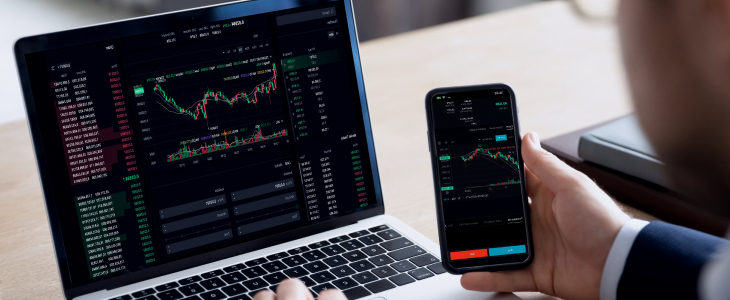
Leverage allows traders to control a larger position size with a relatively small amount of capital. For instance, with a leverage of 100:1, you can control a position of $100,000 with just $1,000 in your trading account. While leverage can amplify profits, it also increases the risk of losses, so it must be used wisely.
Choosing a Forex Broker
Selecting the right broker is crucial for your trading success. Here are some key factors to consider:
- Regulation: Ensure that the broker is regulated by a reputable financial authority to protect your funds.
- Trading Platform: Look for user-friendly trading platforms that offer the tools and features you need.
- Spreads and Commissions: Compare the spreads and fees charged by different brokers.
- Customer Support: Reliable customer support is essential, especially for beginners.
Developing a Forex Trading Strategy
Having a trading strategy is vital for success in forex trading. Here are the steps to develop a strategy:
1. Set Clear Goals
Determine your profit targets, risk tolerance, and timeframe for trading. Setting clear goals will help you stay focused and disciplined.
2. Choose a Trading Style
Different trading styles include day trading, swing trading, and position trading. Choose a style that suits your personality and lifestyle.
3. Perform Technical and Fundamental Analysis

Technical analysis involves analyzing price charts and using indicators to identify trends and potential entry points. Fundamental analysis involves evaluating economic indicators, news events, and other factors that can impact currency prices.
4. Execute and Monitor Trades
Once you have identified a trading opportunity, execute your trade. Monitor the trade closely, and be prepared to adjust your strategy based on market conditions.
Risk Management in Forex Trading
Risk management is a critical aspect of successful trading. Here are some strategies to protect your capital:
- Use Stop-Loss Orders: A stop-loss order automatically closes a trade if the price reaches a specified level, helping limit losses.
- Position Sizing: Determine the appropriate position size based on your account balance and risk tolerance.
- Diversification: Avoid putting all your capital into a single trade; diversify your investments across multiple currency pairs.
Continuous Learning and Improvement
The forex market is constantly changing, and staying informed is essential for success. Consider the following:
- Read books and articles about forex trading.
- Follow market news and analysis from reputable sources.
- Join trading communities and forums to connect with other traders.
- Keep a trading journal to track your trades, emotions, and outcomes; analyze what works and what doesn’t.
Conclusion
Forex trading can be a rewarding venture if approached with proper knowledge, a sound strategy, and disciplined risk management. Remember that practice makes perfect, so consider using demo accounts to hone your skills without risking real money. As you learn and grow in your trading journey, always stay informed and adaptable to ever-changing market conditions.
With this comprehensive guide, you are now equipped with the basics of forex trading. Good luck and happy trading!