
Category: Trading3

  • Mastering Forex Swing Trading Strategies A Comprehensive Guide

    Mastering Forex Swing Trading Strategies A Comprehensive Guide

    Mastering Forex Swing Trading Strategies: A Comprehensive Guide

    Forex swing trading is a popular method employed by traders to capitalize on price fluctuations in the currency market. Unlike day trading, which demands constant attention and speedy decision-making, swing trading allows for a more relaxed approach, enabling traders to capture larger price movements over several days or even weeks. By using a well-defined strategy, such as a Fibonacci retracement or a moving average crossover, one can effectively enter and exit trades with a higher probability of success. For those interested in starting their journey, it’s vital to explore reputable resources like forex swing trading strategies Pakistani Trading Platforms that can help provide the necessary tools for effective trading.

    Understanding Swing Trading in Forex

    Swing trading typically involves holding positions longer than a few hours but shorter than several weeks. This trading style aims to capture “swings” in the price movements of currency pairs. Swing traders analyze market trends and seek to identify the best entry and exit points based on technical analysis rather than fundamental analysis. By understanding when the market is poised for a move and using appropriate indicators, traders can maximize their gain potential.

    The Core Principles of Forex Swing Trading

    To be successful in swing trading, there are several core principles that traders should adhere to:

    • Risk Management: Always implement a robust risk management strategy. Determine your risk-to-reward ratio and stick to it. Many experienced traders advocate for risking only 1-2% of your trading capital on a single trade to reduce the impact of losing streaks.
    • Analysis Techniques: Use technical analysis to identify potential trading opportunities. Tools such as moving averages, RSI (Relative Strength Index), and Fibonacci retracements are popular among swing traders.
    • Trade Often: Swing traders typically conduct fewer trades than day traders. However, making well-planned trades based on solid strategies will yield better results than trading frequently without proper analysis.
    • Stay Updated: Market sentiment can change rapidly. Keeping an eye on news events and economic indicators can greatly enhance your success in swing trading.

    Popular Forex Swing Trading Strategies
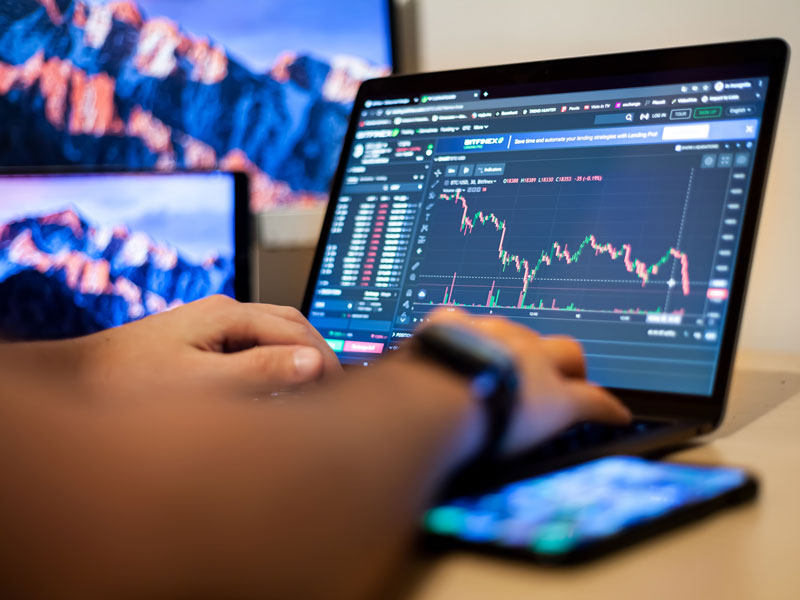
    Mastering Forex Swing Trading Strategies A Comprehensive Guide

    Several effective strategies can be utilized in swing trading, helping traders identify optimal entry and exit points. Below are some of the most popular methods:

    1. Moving Average Crossover

    The moving average crossover strategy uses two moving averages (one short-term and one long-term) to identify potential buy (or sell) signals. When the short-term moving average crosses above the long-term moving average, it often indicates a potential upward price movement, suggesting a buy. Conversely, when it crosses below, a sell signal may be indicated. Setting appropriate stop losses is essential to manage risk.

    2. Fibonacci Retracement Levels

    Fibonacci retracement levels are a popular choice among swing traders, as they identify potential reversal levels during a price correction. Traders utilize horizontal lines to indicate areas of support or resistance at the key Fibonacci levels of 23.6%, 38.2%, 50%, 61.8%, and 100%. Entry points can be strategically placed near these levels with stop losses beyond them.

    3. Breakout Trading

    Breakout trading aims to exploit price movements once the price breaks through a defined level of support or resistance. A trader will typically look for an increase in volume confirming the breakout. Entering a trade after a breakout can lead to significant profit opportunities since price changes can be substantial in a breakout scenario.

    4. RSI Divergence

    The Relative Strength Index (RSI) is a momentum oscillator that measures the speed and change of price movements. Divergence between the RSI and price can indicate potential reversals. If the price reaches new highs while the RSI fails to do so, it signals a possible bearish reversal. Conversely, a bullish reversal might occur if the price makes new lows while the RSI increases.

    Mastering Forex Swing Trading Strategies A Comprehensive Guide

    Tools and Indicators for Swing Trading

    As swing traders emphasize technical analysis, the use of tools and indicators is essential for decision-making. Below are some popular tools:

    • Charting Software: Utilizing charting platforms, such as MetaTrader 4/5 or TradingView, can aid traders in analyzing price charts and performing detailed technical analysis.
    • Indicators: Common indicators include Bollinger Bands, MACD (Moving Average Convergence Divergence), and EMA (Exponential Moving Average). To make the best use of indicators, ensure you understand each one’s signaling methodology.
    • Economic Calendar: Staying informed about scheduled economic events and releases is crucial to managing trades. Unpredicted market volatility can significantly impact swing trades.

    Creating a Swing Trading Plan

    A well-defined trading plan is integral to success. A solid swing trading plan should include:

    • Trading goals
    • Risk management rules
    • Criteria for entering and exiting trades
    • Review process for performance evaluation

    Final Thoughts

    Forex swing trading can be an effective way to capitalize on market movements with more flexibility than day trading offers, making it suitable for those with limited time for trading. By employing the strategies discussed and adhering to a strict trading plan, traders can potentially increase their profit margins while minimizing risks. Always remember that education is continuous, and adapting to market changes is vital for sustained success in the ever-evolving forex market.

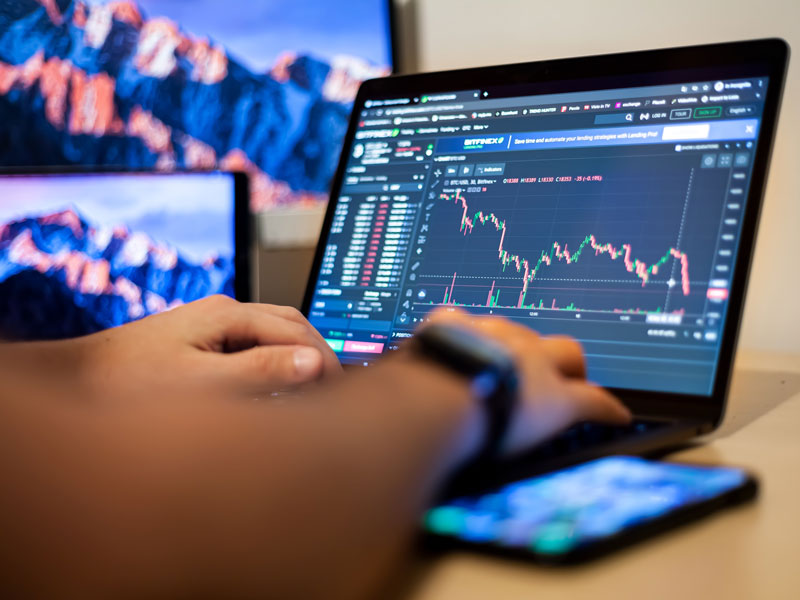
  • Is Forex Trading Profitable Exploring the Potential and Risks 1850025329

    Is Forex Trading Profitable Exploring the Potential and Risks 1850025329

    Is Forex Trading Profitable?

    Forex trading, or foreign exchange trading, has gained immense popularity in recent years, attracting countless traders and investors seeking to profit from currency fluctuations. But is forex trading truly a profitable venture? In this article, we will delve into the intricacies of forex trading, examining market components, strategies, and the potential risks involved in pursuit of profit. Whether you’re a novice trader or an experienced investor, understanding these factors is vital to navigating the forex landscape effectively. For resources and tools to enhance your trading experience, consider visiting is forex trading profitable Global Trading PK.

    The Basics of Forex Trading

    The foreign exchange market is the largest and most liquid financial market in the world, with a daily trading volume exceeding $6 trillion. This market is decentralized and operates 24 hours a day, five days a week, allowing traders to engage in transactions at any time. Currency pairs, such as EUR/USD or GBP/JPY, are the cornerstone of forex trading, allowing traders to speculate on the value of one currency relative to another.

    Market Participants

    Forex trading is characterized by a diverse range of participants, including:

    • Central Banks: National banks that influence currency supply and interest rates.
    • Commercial Banks: Financial institutions that facilitate forex transactions for their clients.
    • Corporations: Businesses that engage in international trade and currency conversion.
    • Retail Traders: Individuals trading through online platforms to capitalize on currency fluctuations.

    Profitability Factors in Forex Trading

    The profitability of forex trading cannot be simplified into a single answer, as it depends on a multitude of factors. Here are some key aspects that influence the potential for profitability in this arena:

    Market Volatility

    One of the primary factors that can enhance profitability is market volatility. High volatility means substantial price movements over short periods, creating opportunities for traders to capitalize on rapid changes. However, volatility also increases risk, as prices can move against a trader’s position just as quickly. Understanding volatility and how to trade in volatile conditions is crucial for success.

    Leverage

    Leverage is a powerful tool in forex trading, allowing traders to control a larger position with a relatively small capital investment. For example, with a leverage ratio of 100:1, a trader can control $100,000 with only $1,000 in their trading account. While leverage can amplify profits, it also magnifies losses, making risk management critical for retaining profitability.

    Trading Strategies

    Is Forex Trading Profitable Exploring the Potential and Risks 1850025329

    The choice of trading strategy can significantly impact profitability in forex trading. Various strategies, such as day trading, swing trading, scalping, and position trading, cater to different trading styles and risk tolerance levels. A well-defined strategy based on technical and fundamental analysis can help traders make informed decisions, manage risks, and enhance the potential for profit.

    Emotional Discipline

    Trading psychology plays a vital role in the success of forex traders. Emotions such as fear, greed, and anxiety can cloud judgment and lead to impulsive decisions. Maintaining emotional discipline and adhering to a predefined trading plan, regardless of market conditions, is essential for achieving consistent profitability. Successful traders often invest in developing their psychological resilience through practice and techniques for managing stress.

    Risk Management in Forex Trading

    While the opportunities in forex trading are immense, the associated risks cannot be overlooked. Implementing effective risk management strategies is paramount for protecting trading capital and preserving profitability. Here are some critical risk management techniques:

    Setting Stop-Loss Orders

    Stop-loss orders are automated instructions that close a trade at a predetermined loss point. By utilizing stop-loss orders, traders can limit potential losses and prevent emotional decision-making when a trade moves against them. Establishing a clear risk-reward ratio for each trade also aids in effective risk management and ensures that potential rewards outweigh potential losses.

    Diversification

    Diversifying trading positions across various currency pairs can mitigate overall risk. Instead of concentrating on one currency pair, traders can spread their investments across multiple pairs, reducing the likelihood of significant losses if one position underperforms. A balanced portfolio allows traders to capitalize on different market movements while minimizing overall risk exposure.

    The Learning Curve: Education and Experience

    Forex trading is not a guaranteed path to riches. It requires dedication, continuous education, and practical experience to develop the necessary skills. Many traders initially struggle with losses as they navigate the complexities of the forex market. However, those who invest time in learning about market analysis, technical indicators, and trading strategies invariably increase their chances of profitability.

    Continual Learning

    Market dynamics are ever-evolving, influenced by economic indicators, geopolitical events, and technological advancements. Traders who commit to lifelong learning and remain adaptable to changing conditions are better positioned to seize profit opportunities and respond to challenges effectively. Online courses, webinars, and trading simulators can provide valuable insights and practice opportunities.

    Conclusion: Is Forex Trading Profitable?

    In conclusion, while forex trading presents opportunities for significant profits, it is essential to approach it with caution, proper education, and a well-defined strategy. The potential for profitability exists, but so do risks. Successful traders combine market analysis, effective risk management, and emotional discipline to navigate the complexities of forex trading. Whether you are a beginner or an experienced trader, always remain vigilant, keep learning, and make informed decisions based on thorough research and analysis.