Category: Sober living

  • Alcohol Misconceptions: Can Alcoholism be Cured?

    Detoxification can be carried out in outpatient and inpatient settings. To reduce the risk of relapse, it is better to use the possibilities of inpatient detoxification followed by https://www.vendinginside.ro/2022/09/what-does-being-drunk-feel-like-the-stages-of-2/ comprehensive treatment for alcohol dependence. The primary goal of alcohol detox is to alleviate or eliminate the withdrawal symptoms that occur when alcohol is discontinued. In this case, psychoactive substances from the group of benzodiazepines are often prescribed.

    Physical

    Certain medications may also be used, particularly during the Alcohol Use Disorder alcohol detox stage, to help reduce cravings and manage alcohol withdrawal symptoms. Primary care and mental health providers can provide effective AUD treatment by combining new medications with brief counseling visits. Cognitive–behavioral therapy can take place one-on-one with a therapist or in small groups. This form of therapy is focused on identifying the feelings and situations (called “cues”) that contribute to heavy drinking and managing stress that can lead to a return to drinking.

    • If you have an AUD and a mental illness, it is important to get treatment for both.
    • Yes, alcoholic neuropathy affects autonomic nerves, which control involuntary body functions.
    • Like other chronic diseases, such as diabetes or heart disease, alcoholism and its symptoms can be successfully managed with proper treatment.
    • Physical therapy may include gait and balance training, range of motion exercises, and strength training.

    What is the life expectancy of someone with alcohol-associated liver disease?

    Recovery support could include formal aftercare programs facilitated by professional addiction services, informal relationships built in the community, and much in between. Many rehab centers will set patients up with aftercare can alcoholism be cured as part of discharging them from a program. Treatment professionals help patients navigate aftercare options to find the right fit. Detoxification is the process by which a person’s body cleanses itself of toxins like alcohol.

    Cleanbreak Recovery

    It’s to find out how alcohol became such a big part of your life—and then resolve those issues. It’s a question that echoes in the minds of millions—those battling addiction, their families, and even healthcare professionals. In a world where headlines promise miracle treatments and “one-size-fits-all” rehabs, it’s easy to get lost in hope, confusion, and misinformation. According to the Medical News Today article titled “Understanding and treating alcoholic neuropathy” alcohol impedes the processing, transportation, and absorption of essential nutrients.

    can alcoholism be cured

    This ensures that the treatment remains effective and responsive to the patient’s condition. Physical therapy plays a significant role in treating alcoholic neuropathy because it helps work the proper muscles needed to improve blood flow. Tailored exercises help strengthen weakened muscles, improve coordination, and enhance mobility. Regular physical therapy sessions lead to better muscle function and reduced symptoms, allowing individuals to regain independence and perform daily activities more effectively. Alcoholic neuropathy is a medical condition resulting from damage to the peripheral nerves due to excessive alcohol drinking.

    can alcoholism be cured

    Understanding Alcohol Use Disorder (AUD)
    can alcoholism be cured

    One of the important stages of treatment is rehabilitation in a new environment. For these purposes, luxury alcohol rehabs are well suited, in which all conditions are created to support the patient. Being under the constant control of experienced doctors, communicating with people who also have addiction, the patient is able to be reborn and learn to control his desires. Alcoholism is a chronic disease that cannot be cured and is often accompanied by relapses. Due to the availability of alcohol, this disease is very common.
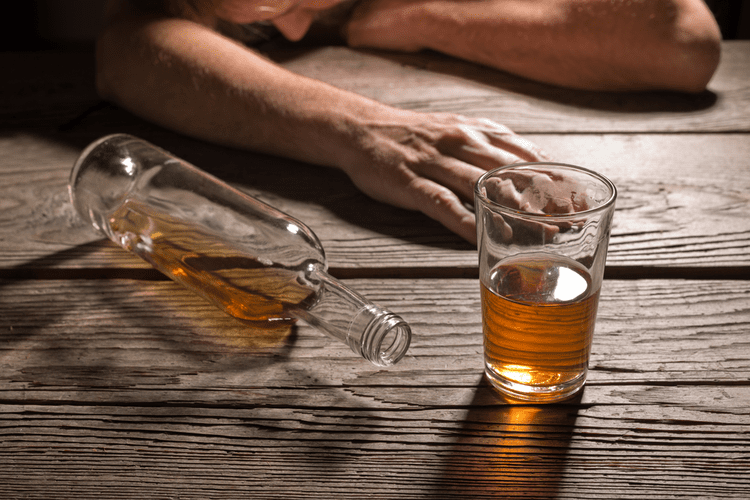
  • How to Taper off Alcohol Safely and Effectively

    One of the keys to a successful taper is taking gradual steps that will cause as few side effects as possible. As such, there is only limited guidance available about the best ways to taper. Do anything and everything you can to distract yourself from drinking. Whether that’s watching TV, cooking dinner, cleaning the house, going for a walk, or taking a bath. Force your self to do normal activities, but nothing too strenuous or physical beyond what you might normally do.

    • Are you tapering because you physically depend on alcohol, or are you tapering because you want an excuse to drink longer?
    • This can be done by reducing the number of drinks, increasing time between drinks or choosing a weaker drink with a lower alcohol content.
    • So, if you normally have 6 beers a day, you could be done tapering within one week.

    Let’s talk about your recovery

    • DTs can be fatal, and a person going through them should have medical support in a hospital or rehab facility.
    • This will help you figure out a baseline to start your taper.
    • If you’re cross-addicted to harder drugs like stimulants or opiates, you need to stop using those.
    • Further, if you start to develop alcohol withdrawal symptoms during the taper, your doctor may instruct you to pause or slow the taper as a result.

    Inpatient treatment may be an expensive option in terms of time and money. Unlike inpatient treatment, tapering allows people to maintain their lifestyles while improving their drinking habits. Alcohol is the third-leading preventable cause of mortality in the United States, with approximately 95,000 people dying from alcohol-related causes each year. By gradually tapering off alcohol, you can lower your risk for https://www.edurh.ru/serdtse-na-dvoih.html alcohol-related accidents or death. It’s a good idea to talk with a medical professional before you begin a taper. They can help you decide if it’s the safest way to start your recovery, and they can help you make a taper plan.

    beer taper

    Alcohol Tapering Guide

    Some alcohol withdrawal symptoms can be so severe that they can lead to death. Contact a medical professional immediately if you notice any withdrawal symptoms. This is dangerous because if you have unsuccessfully tried to stop drinking in the past with only mild withdrawal symptoms, you may assume you can handle another attempt on your own without help. Unfortunately, your brain may be sensitized to withdrawal due to kindling, which can set you up for unexpectedly severe withdrawal symptoms.

    beer taper

    Can Tapering Your Alcohol Intake Reduce Withdrawal Symptoms?

    beer taper

    This is why it’s always best to find some form of long-term support in sobriety. Support groups, from Alcoholics Anonymous to SMART Recovery, are one free way to find a community of people on the same journey. There are also a number of anti-craving medications to help you avoid drinking again, or even help with your tapering process. Finally, finding a therapist or a recovery coach can help you develop new coping mechanisms and move forward in your life. The time it takes to taper off alcohol varies based on how much a person drinks.

    • You should not begin a tapering plan before talking to your doctor.
    • I don’t think I could go through more than a couple weeks of tapering, but you do you.
    • Gradually reducing the amount of alcohol you drink can help give your body the time it needs to adjust to the lack of alcohol.
    • The longer and harder a person has drunk alcohol–the more severe the withdrawal will be.
    • Moderately severe AWS causes moderate anxiety, sweating, insomnia, and mild tremor.
    • Consuming a lighter alcoholic drink like beer also makes it easier for someone to stay hydrated throughout the taper.

    Trying Non-Alcoholic Drinks

    I’m specifically talking about things like weed, cigarettes, and vaping. If you’re lucky enough to have a supportive friend, a roommate, or a family member that lives with you who can assist, that is ideal. Tell them what you’re planning on doing, give them a copy of your planned taper schedule, and have them hold all the alcohol to portion out and give to you as needed. Ideally, pick someone who doesn’t also have a problem with alcohol.

    Tapering or Weaning Off Alcohol

    • Each person’s alcohol metabolism is different, and even though a blood alcohol content (BAC) of .085 is considered legal intoxication, a BAC lower than .08 may adversely affect some people.
    • A substitution taper can involve substituting a prescription drug for alcohol.
    • However, it’s still possible to experience withdrawal symptoms.
    • I was a big time alcoholic who eventually crashed and burned.
    • This can involve switching to a different alcoholic beverage or replacing alcohol with a prescription drug, but the latter should only be done under the guidance of a medical professional.

    Experience has shown me most people who continue using other hard substances simply get high and then continue drinking. If you’re making mixed drinks, only use half a shot instead of a full shot, and turn it into two drinks (still count both as one combined). It’s okay to have a little drink, set it down, leave it for fifteen minutes, and come back to it later.

    MODERATE SYMPTOMS (CIWA-AR SCORE OF 10 TO 18 OR SAWS SCORE GREATER THAN

    In turn, your risk of undergoing alcohol withdrawal may be lower. You should always seek medical advice before attempting any kind of alcohol withdrawal. People with moderate to severe alcohol addiction may find an alcohol taper difficult to accomplish. If you have trouble controlling how much you drink or experience significant alcohol cravings, you may need professional help instead of trying to taper your alcohol use at home. When an individual has developed a substance use disorder or dependence on alcohol, stopping its use outright can seem virtually impossible. On top of this, quitting immediately — or “cold turkey” as many http://stungun.ru/stun_dostavka users and professionals call it — can be dangerous.

    beer taper

    For others, simply cutting back the number of drinks can bring on alcohol withdrawal symptoms, making it more difficult to stop. Generally speaking, alcohol home detox is neither the most effective nor the safest method of quitting alcohol. However, it may be suitable for someone with a lower risk of experiencing alcohol withdrawal, or a person who has access to medical professionals at home. Creating a tapering schedule you can stick with is a crucial part of weaning yourself off alcohol. The best schedule varies based on how much you drink each day and your overall health. As mentioned above, we strongly recommend speaking http://tekst-pesni.ru/index.php?name=engsongtext&op=view&id=419475 with a doctor to ensure your plan is a safe one, and won’t cause dangerous withdrawal symptoms.

  • How Alcohol Affects Your Eyes and Vision

    alcoholism and vision

    For those seeking assistance in overcoming alcohol addiction, a valuable resource is AlcoholAwareness.org. This online platform provides information, support, and access to free resources in your local area. Whether you’re looking for counseling, support groups, or treatment facilities, AlcoholAwareness.org can guide you towards the help you need to break free from alcohol dependence. Approximately 2 h after ingestion, the alcohol content in the participant’s blood was measured so that the individual would leave the laboratory with the same quantity that was recorded when he/she arrived, thus preventing any types of problems for the subjects. Unfortunately, the studies and surveys referenced in this article didn’t report data on, or include, participants who were transgender, nonbinary, gender alcoholism and vision nonconforming, genderqueer, agender, or genderless.

    alcoholism and vision

    Are there any ways to prevent alcohol-related vision damage?

    The effects of drugs of abuse on the visual system is best addressed anatomically. Routes of administration include, but are not limited to, oral ingestion, nasal inhalation, intravenous injection, smoking, topical application, or application to other mucosal surfaces. The development of novel substances of abuse and novel routes of administration may surprise even the most astute clinician if substance abuse is not suspected. Over time, excessive alcohol use can cause lasting damage to the eye that may promote conditions of vision loss and unusual eye movement.

    The Silent Culprit – Alcohol-Induced Damage to Blood Vessels

    • However, alcohol can slow down the ability for your eyes to dilate or constrict.
    • The cornea contains the highest concentration of nerve endings in the entire body.
    • In addition, the Beck Depression and Anxiety Inventories were used 38 with the goal of tracking possible symptoms related to depression and anxiety, considering a cut-off point equal to or higher than 20 points, which was used in a study with a Brazilian sample 39.
    • Even small changes can help reduce a person’s risk of developing issues with their eyes or other aspects of health.

    Because the optic nerve is made up of neurological transmitters, it can become damaged by alcohol, just like in the brain. You may consider first reaching out to a doctor, as they may be able to help determine your medical needs and possibly refer you to treatment centers. You may also be able to find alcohol addiction treatment near you by visiting the SAMHSA treatment locator. According to the 2018 National Survey on Drug Use and Health (NSDUH), 14.4 million Americans over the age of 18 have an alcohol use disorder.13 Among U.S. adults, 1 in 6 binge drinks about 4 times a month, drinking 7 alcoholic beverages per binge. While not everyone who binge drinks has an AUD, it can be a very significant risk factor for the development of an AUD.

    alcoholism and vision

    Sociodemographic characteristics and alcohol consumption

    alcoholism and vision

    Treatments can vary based on how alcohol has affected a person’s eyes and optic nerve. Intoxication is responsible for short-term effects such as blurred vision. Once a person recovers from intoxication, their vision should return to normal.

    alcoholism and vision

    The cornea contains the highest concentration of nerve endings in the entire body. Both prescribed and illicit drugs of abuse topically-applied may anesthetize the cornea, leading to injuries of the ocular surface and predisposition to infectious corneal ulcers. Agents often implicated in these injuries include cocaine, crack cocaine,7 and topical anesthetics. Not only can drinking contribute to DED, but it may also make existing DED symptoms worse.

    Brain to Eye Communication

    • While the short-term effects of alcohol on vision are often temporary and resolve once the alcohol has left your system, the long-term consequences can be far more severe.
    • Moreover, alcohol can interfere with the absorption of essential nutrients necessary for maintaining healthy eyes.
    • A driver that has been drinking alcohol cannot adapt as quickly to oncoming headlights.
    • Some temporary effects occur when you drink, and other effects take time to develop and can be permanent.
    • If you’re concerned that someone you know might be a heroin addict, or if you’re seeking information to better understand the complexities of heroin addiction, you’ve come to the right place.
    • Alcohol can affect the eyes by causing changes in the lens and cornea, leading to blurred vision and difficulty focusing.

    Alcohol drinking habits and possible symptoms related to alcoholism were tracked through the Alcohol Use Disorder Identification Test (AUDIT), which was previously adapted for use in Brazil by Santos, Gouveia, Fernandes, Souza, and Grangeiro 37. In addition, the Beck Depression and Anxiety Inventories were used 38 with the goal of tracking possible symptoms related to depression and anxiety, considering a cut-off point equal to or higher than 20 points, which was used in a study with a Brazilian sample 39. All volunteers demonstrated that they were in good physical health and were moderate and acute drinkers (2.1±1.0 times per week). Like double vision, if the bloodshot eyes do not revert back to normal after a night of drinking, then it could be more serious and require medical attention. If your eyes are bloodshot, avoid touching them and talk to your doctor for a proper diagnosis.

    Yes, long-term alcohol consumption can lead to permanent vision damage, including conditions such as alcoholic optic neuropathy, which can result in irreversible vision loss. Alcohol can have long-term effects on vision, including decreased visual acuity, difficulty with depth perception, and an increased risk of developing conditions such as cataracts and age-related macular degeneration. Beyond affecting blood vessels, alcoholism extends its reach to the delicate nerves in your eyes. This can result in a host of vision problems, ranging from subtle distortions to more pronounced impairments. The optic nerve, a vital component of the visual system, can undergo damage due to prolonged alcohol abuse, leading to persistent vision issues.

    Can alcohol consumption lead to permanent vision damage?

    alcoholism and vision

    Twitching is usually a mild condition, involving involuntary spasms or contractions of the muscles around the eye. It varies in frequency and duration, ranging from a few seconds to several minutes. Most of these unpleasant effects are temporary and go away once alcohol leaves the system.

    • Regarding the study of Abroms et al. 17, for example, our study differs in relation also to the task and the dosage administered.
    • Toxic optic neuropathy is a condition where alcohol damages the optic nerve.
    • This vision problem can also affect inebriated people however they may have had too much to drink to remember.

    How to Spot a Heroin Addict or Heroin Addiction – and Help Save Their Life

    Also known as age-related macular degeneration (AMD), there are other risk factors for this eye condition aside from getting older. This includes certain lifestyle factors, such as diet and alcohol consumption. Macular degeneration is a type of eye condition that impacts visual sharpness (acuity), and it’s common in adults over age 50. Symptoms of late stage AMD include seeing distorted straight lines, a decrease in color intensity, and a gradual loss of central vision. If you find yourself concerned about your alcohol consumption and its potential impact on your vision, it’s imperative to seek help. Alcohol addiction is a serious health issue, and addressing it can not only protect your eyesight but also contribute to overall well-being.

  • Treatment for Substance Use Disorder Kaiser Permanente

    For a more structured approach, various professional resources are available for alcohol dependency treatment. Cognitive Behavioral Therapy sober house (CBT) modifies negative thought patterns related to drinking and equips individuals with coping strategies. Medications like Naltrexone, Acamprosate, and Disulfiram can assist in managing cravings and deterring alcohol use.

    alcohol abuse recovery

    How to Recognize and Address Co-Occurring Disorders

    Start by eliminating all alcoholic beverages, barware, and reminders of drinking from your home. This not only reduces temptation but also helps to establish a fresh atmosphere that supports your commitment to sobriety. Research shows that reducing alcohol consumption lowers the risk of heart disease, enhances mood, and contributes to better sleep quality. As part of our comprehensive outpatient services, our detox program provides completely personalized care, focusing on the needs of each patient. If your doctor brings up concerns, it doesn’t mean you have a problem.

    7 Help for Drug & Alcohol Use

    Discover strategies for staying sober during the holidays, embracing alcohol-free alternatives and self-care. Discover the risks of drinking and pregnancy, guidelines, and support for a healthy journey for you and your baby. Explore top Kansas drug rehab centers, their services, and how to find the right support for recovery. Discover the qualities of effective addiction treatment centers that ensure successful and compassionate recovery. Discover how alcoholism develops over time, its impact on health, and the stages of this long-term progression.

    Is aftercare included in alcohol treatment?

    Never disregard professional medical advice or delay in seeking it because of something you have read on this website. In the event of a medical emergency, call a doctor or 911 immediately. This website does not recommend or endorse any specific tests, physicians, products, procedures, opinions, or other information that may be mentioned on the Site. Reliance on any information provided by this website is solely at your own risk.

    alcohol abuse recovery

    Setbacks Are Part of the Process

    This is a place where you can be honest about your substance use and what you want to do about it. Unlike cocaine or heroin, alcohol is widely available and accepted in many cultures. It’s often at the center of social situations and closely linked to celebrations and enjoyment. We know the ups and downs can be confusing, and may cause you to question who you really are without alcohol. Here’s a therapist’s advice on how to navigate the early recovery identity crisis.

    • This may mean making major changes to your social life, such as finding new things to do with your old drinking buddies—or even giving up those friends and finding new ones.
    • While the recovery period may be challenging, it’s also filled with milestones that can transform your life into one that’s better than you could have previously imagined.
    • Working with your Care Team will ensure your decisions are personalized and informed, and that you have resources at your fingertips whenever you need them.
    • Always seek the advice of a physician or other qualified health provider with any questions you may have regarding a medical condition.
    • What’s more frightening is when you’re the one battling a substance use disorder (SUD) or an alcohol use disorder (AUD), and you don’t have a solution to the problem.

    This pause reduces the urge to binge, important for contexts like college settings, where the pressure to drink can be intense. An awareness of such habits and triggers not only supports moderation but enhances overall well-being. Programs can range from 30 days for inpatient care to several months for outpatient programs. After completing an Alcohol Treatment Program, most individuals participate in outpatient counseling, support groups, or 12-step programs like Alcoholics Anonymous (AA).

    What health complications are associated with alcoholism?

    Maintaining these commitments makes you more likely to achieve your goals. Second, savor the positive emotions and know that with the right treatment, dedication, and self-care, you will find a sustainable path complete with authentic joy. Creating a sustainable new lifestyle without or with less alcohol requires navigating both highs and lows. Growth happens in discomfort, and it’s important to recognize challenging moments as learning opportunities. Mark’s key responsibilities include handling day-to-day maintenance matters and oversees our Environment of Care management plan in conjunction with Joint Commission and DCF regulations. Mark’s goal is to provide a safe environment where distractions are minimized, and treatment is the primary focus for clients and staff alike.

    Ways Life Gets Better After You Stop Drinking

    Combined with treatment led by health care providers, mutual-support groups can offer a valuable added layer of support. Three medications are currently approved in the United States to help people stop or reduce their drinking and prevent a return to drinking. These medications are prescribed by a primary care provider or other health care provider and may be used alone or in combination with counseling.

    By avoiding environments where drinking is common, such as bars or parties, you can minimize exposure to temptation. Setting clear limits on alcohol intake is essential for managing consumption. For women and older men, the guideline suggests no more than one drink per day, while younger men may have up to two. https://appsychology.com/living-in-a-sober-house/ This establishes a foundation for healthier drinking patterns and serves as a guiding structure to avoid overindulgence. Traditional addiction treatment is based primarily on counseling. Many Drug Treatment Boston facilities also offer ongoing services to help individuals stay on track.