Category: Bookkeeping

  • The Ultimate Guide to Back Office Processes and Operations

    what is back office process

    One of the most enticing advantages of outsourced back-office services is the decrease in operating and overhead expenses. If you have ever dealt with difficulties in handling back-office services, take a look at the following benefits that outsourcing brings. Processing billing and insurance claims are a very complicated and tedious process. The regulations surrounding billing and data entry are constantly contribution margin changing, making it hard for billers to be accustomed to the practice. Decisions is the quickest way to build software and solve your most difficult problems.

    • Business process automation reduces the workload of back office staff, allowing them more time to focus on developing strategies for business development.
    • Onboarding employees is challenging because companies fear hiring incompetent staff to handle back-office operations.
    • Automation addresses this by streamlining processes, improving visibility, and enabling data-driven decision-making.
    • Organizations are made up of several departments and functions, but there are only 2 main operational systems.
    • Ensuring adherence to ever-changing regulations and avoiding legal pitfalls requires expertise and vigilance.
    • Common requests involving passwords and network access take up large amounts of IT professionals’ time.

    COMPANY

    • The foundation of the Decisions platform is its customizable rules engine, which enables you to define, manage, and enforce business rules across all your operations.
    • But for a portion of the organization that has highly diverse roles and functions, it can be challenging to do so.
    • Automation is one of the most effective methods of minimizing manual effort in back-office functions.
    • By entrusting the outsourcing of these back-office processes to specialized providers, you guarantee that your team benefits from top-tier, current training programs.
    • However, managers then become little more than a reporting analyst, spending all their time updating their spreadsheets vs. managing and developing their team members.
    • Cloud computing, collaborative platforms, and sophisticated software solutions have revolutionized the way back office functions operate, fostering a more agile and responsive ecosystem.

    Back offices used to be located literally behind the front office or trading desk. These branding professionals manage the organization’s public image to protect and enforce the organization’s identity and intellectual property. There are other, more specific types of back office that also need to be managed and operated correctly. back office accounting However, remember that no business is the same, meaning there is no templated back-office solution. These professionals are the shield that protects the company from any law-related issue. Lawyers are usually experts in their own industry, as the specifics of the cases vary from one sector to another.

    Services

    Outsourcing back-office functions allows businesses to concentrate their internal resources on their core competencies and strategic goals. By delegating non-core tasks to outsourcing partners, companies can allocate their human capital, time, and energy to areas that directly contribute to their growth and competitive differentiation. On the other hand, the back office works behind the scenes, quietly keeping the company’s internal operations running like a well-oiled machine.

    what is back office process

    What Are the Top Challenges of a Modern Back-Office?

    what is back office process

    By streamlining their back office processes and procedures, companies can improve their bottom line and deliver a better customer experience. Our loan processing service offers a streamlined approach to handling applications and approvals, significantly boosting efficiency and accuracy. This leads to faster decision-making, greatly enhancing customer satisfaction. With these improvements, our service provides a distinct market advantage in the financial industry, positioning your business for greater success and customer loyalty. Hardly can you find modern companies operating like this today, but it’s still useful to know what a traditional back office is.

    If you outsource back-office processes, you can redirect saved resources to your strategic needs. However, if you pay to your trusted outsourcing partner, in return you get high quality for less money. By integrating analytics and reporting tools into your back office operations, you gain invaluable insights. These tools enable you to meticulously track key performance indicators (KPIs), empowering you to make informed, data-driven decisions that enhance operational efficiency and strategic planning. By outsourcing non-core back office processes, you can effectively alleviate the workload of your internal team, enabling them to dedicate more time and energy to strategic initiatives.

    what is back office process

    A Complete Guide to Back Office Operations

    what is back office process

    Maintaining customer transaction https://www.bookstime.com/ records allows companies to improve the personalization of their customer’s experiences. Back office solutions allow businesses to outsource record keeping to external parties. Service industries – Service-based industries have large customer-support operations and customer-processing functions. Telecom, cable, and power companies are examples of service industries that benefit from large back-office operations. The back-end operations in such industries include handling customer accounts with varied pricing, and regulatory and tax compliance activities based on different geographies. Tasks like managing employee salaries, wages, taxes, deductions, and benefits to specialized service providers make up the payroll process.

    Inventory Management

    Chatbots give employees fast solutions to common issues 24/7 and remove those requests from IT’s plate entirely. IT team members hired to develop new apps and technologies now have time to do just that, advancing the business to surpass the competition. The act of entering data into these systems and performing manual back-ups is repetitive and, according to many workers, boring. Its repetitive nature and high risk for human errors make it a natural process for leadership to consider revamping when making a digital conversion. In the current age of digital transformation, back office solutions can be the key to reducing operating costs and adding value. Another critical factor is the ability of your outsourcing partner to scale and adapt as your business grows.

  • What Is Virtual Bookkeeping and How It Works + Tools

    virtual bookkeeping

    Typically, you’d only get detailed financial statements like this through a CFO — which means Merritt gives you some of the best aspects of having a CFO without the high cost. Kelly Main is a Marketing Editor and Writer specializing in digital marketing, online advertising and web design and development. Before joining the team, she was a Content Producer at Fit Small Business where she served as an editor and strategist covering small business marketing content.

    1. To downgrade from Expert Full-Service Bookkeeping, you may need to wait until the end of your current subscription billing period.
    2. Both are easy to navigate for bookkeepers and accountants alike but require some learning for the typical small business owner.
    3. Today’s virtual bookkeeping tools make the bookkeeping process much more streamlined and efficient.

    What is virtual bookkeeping and how it works

    virtual bookkeeping

    A virtual accounting firm can also work with anyone anywhere in the country, which is a powerful advantage if you want to niche down to a specific sub-industry. Our intuitive platform is designed for business owners, not accountants. So you can easily see all your transactions, track your cash flow, and check out visual financial reporting through your web browser or on your phone. At Bench, we give you a team of professional bookkeepers who do your bookkeeping for you. They automatically import all your business transactions, categorize them for you, and produce monthly and year-end financial reports. what is public accounting The way a virtual bookkeeper works with their clients is by giving them online access to their financial accounts, documents, and server, in some instances.

    Ask your prospective virtual bookkeeping service if they have experience in your industry, and if so, how many clients they have in your industry. You may even ask for a few customer testimonials to be sure that the service is a good fit. Some of the apps might be different, but if your prospective virtual bookkeeping service can cover these five bases, then there is a good chance you’re covered. This is the “ecosystem” that I use to run my virtual bookkeeping service.

    Thousands of businesses use QuickBooks Live1

    One of the biggest challenges for bookkeepers lies in handling credit card receipts. All too often, these are delivered in bulk, leaving the bookkeeper to sort them out. Each receipt represents money that has already what is advanced research projects agency arpa been spent, and the bookkeeper is tasked with bringing the books up to date, categorizing each expense and attributing it to the right department. Invoice automation platforms also integrate with popular accounting software like Intuit’s QuickBooks Online and more, so bookkeepers only need to enter invoice information in one place. Even if you aren’t planning on growing any time soon, you need to have a sense of how much money is coming in vs. what is going out.

    She is a former Google Tech Entrepreneur and she holds an MSc in International Marketing from Edinburgh Napier University. Katherine Haan is a small business owner with nearly two decades of experience helping other business owners increase their incomes. The Forbes Advisor Small Business team is committed to bringing you unbiased rankings and information with full editorial independence. We use product data, strategic methodologies and expert insights to inform all of our content and guide you in making the best decisions for your business journey.

    Does your virtual bookkeeper have experience in your industry?

    However, if you stick to a strict budget for your business, Wave may not be for you—it’s hard to predict how much it will cost per month unless you speak with one of their salespeople. Virtual services are more sophisticated than individual freelancers. They usually have full teams, so you don’t have to worry about your bookkeeper going on vacation or getting sick.

    Why You Can Trust Forbes Advisor Small Business

    Many, or all, of the products featured on this page are from our advertising partners who compensate us when you take certain actions on our website or click to take an action on their website.

    Make the ask in writing and include a link directly to accounting practice academy the review page on whatever platform you’re targeting. Many accountants and bookkeepers lack reviews simply because they don’t ask. It’s a huge miss because reviews can be a crucial piece of social proof. And since your potential customers are no longer limited to your local area, you can focus on marketing to the types of business owners you most want to serve. Unsure how to market your virtual accounting or bookkeeping firm? Although there may be a learning curve, virtual marketing actually has many advantages.

  • Step-by-Step Internal Audit Checklist

    steps to prepare for an audit

    For example, a business may discover during an audit that payroll was not being updated consistently, leading to discrepancies between the financial records and actual expenses. In order to be an auditor, there are academic, professional, and personal requirements. The minimum educational requirement is a bachelor’s degree, but many employers prefer a master’s degree with a focus on finance or accounting. In order to audit public companies, an auditor must have the Certified Public Accountant’s (CPA) credential. They must stay current with the principles, theory, practice, and laws in accounting. They should also have integrity and tact when dealing with companies and a methodical practice.

    A Comprehensive Guide to Building an ISO 9001 Audit Plan

    Raids, audits, or increased scrutiny naturally lead to apprehension among workers, particularly those under immigration pressure. Employers play a vital role in addressing workforce concerns and ensuring transparent communication without creating an atmosphere of fear or intimidation. D&V Philippines provides scalable finance and accounting solutions that can adapt to any landscape. If you’re interested in learning more about our services, schedule a free consultation with us! You can also download our Your Talent Sourcing Partner Whitepaper to see how we value our talents.

    Leadership Team

    By lining up your SMEs ahead of time, you can smooth out your audit workflow and reduce friction. Engaging staff members in this process can also be beneficial; it not only fosters a sense of ownership but also helps to identify any potential issues that may need to be addressed before the auditors arrive. By taking these proactive steps, organizations can streamline the audit law firm chart of accounts process and minimize disruptions to their daily operations. Depending on the company’s growth over the years, they can determine whether or not it is time for the company to apply for ISO certification and trigger the necessary preparation for it.

    steps to prepare for an audit

    Plan ahead

    Ensuring that these documents are well-organized and readily accessible can significantly expedite the audit process, reducing the time auditors spend searching for information. Once the audit is complete, you income summary can start preparing the audit report and communication plans. This final step is vital in the audit process, as it offers an independent assessment of the company’s financial state, ensuring fairness and accuracy. While conducting an audit, it’s also best to collaborate with individuals who have in-depth knowledge of specific business processes and potential risks.

    Confirm ASC 606 compliance.

    steps to prepare for an audit

    Getting a tax refund doesn’t guarantee that you’ll be audited even though you can still be audited after you’ve received the refund. Neither does filing an amended return although amended returns can be selected for an audit as well. Visual aids like process maps, workstation layouts, and “before and after” photos can be valuable references during the audit. Establish clear standards for each of the 5S pillars so that everyone involved in the audit is working from the same playbook. They might also propose adjustments, which could result in you owing additional taxes, penalties, and interest. In some cases, an audit can even result in a refund if the IRS determines you overpaid.

    steps to prepare for an audit

    Internal Audit Checklist: Planning an Audit From Scratch

    steps to prepare for an audit

    Their insights can help identify areas susceptible to errors or fraud, ensuring that the audit focuses on critical aspects of your operations. This collaboration enhances the audit’s effectiveness and provides more accurate audit results for your business. Depending on its type, an audit can be conducted by an external or internal team. In contrast, an internal audit is conducted by someone within the company to assess processes and identify areas of improvement. Some common mistakes include lack of documentation, poor communication with auditors, failure to understand audit requirements, and insufficient internal controls.

    • Engaging independent third-party assessors to conduct a comprehensive evaluation ensures that business processes meet globally recognized benchmarks.
    • By actively working on these recommendations, organizations can demonstrate their commitment to continuous improvement and accountability.
    • Expect auditors to review your financial statements, internal controls, and compliance with regulations.
    • Addressing problems quickly and efficiently is essential if any problems are identified during the audit.
    • By taking the time to prepare thoroughly, you’ll ensure that your audit isn’t just a box-ticking exercise but a powerful tool for identifying waste and boosting workplace efficiency.

    Whether it’s physical or digital records, maintaining a clear and logical filing system ensures that documents are easy to locate, reducing delays during the audit. These are key questions that you need to answer ahead of the year-end audit to be fully prepared for the review. You should also consider any grants or government support your organization has been given over the past 12 months. Recommendations for workers include keeping copies of their immigration documents close at hand and ensuring their documents are always valid.

    Impetus from internal audit reports can encourage optimization, saving the organization in costs and ultimately improving customer satisfaction. An internal audit is an independent review of an organization’s operations, governance, internal controls, and risk management processes to improve the organization’s effectiveness and efficiency. Internal auditors will conduct interviews, inspect evidence, test controls, and read policies to understand the environment and validate that controls and processes how to prepare for an audit are working — or not working well. In the realm of nonprofit organizations, financial audits serve as a critical mechanism for ensuring transparency, accountability, and trustworthiness. A well-conducted audit provides an independent assessment of an organization’s financial health, revealing insights into its operational efficiency and compliance with applicable laws and regulations. Once your company’s documents and processes are submitted to your internal auditors, interviews for every department head and random members of every department come next.

  • Office Expense Vs Office Supplies: Which One Is Draining Your Budget

    It’s important to keep track of all office supply expenses throughout the year so that you have accurate records when filling out your tax forms. It is crucial for businesses to keep a sufficient inventory of these supplies to ensure smooth functioning and productivity. Having an organized system in place for tracking and managing office supply needs can help businesses avoid interruptions and unnecessary expenses. Office Expenses are non-tangible costs related to the operation of a business, such as web services, software, and domain names. Office Supplies, on the other hand, refer to tangible items regularly replenished for business use, like pens and paper. For example, if you spend $150 on printer ink and paper this month, you would categorize this under office supply expenses in your accounting software.

    Effective expense management can help overcome these challenges and improve overall efficiency. Examples of employee benefits include expenses incurred on company outings, team-building exercises, and professional growth. These are your general and administrative (G&A) expenses, and while they may not be directly linked to what you sell, they’re the backbone of your operations. Supplies also play an important role in maintaining productivity within the workplace by ensuring employees have access to everything they need to perform their duties effectively. Without adequate supplies on hand, work may be delayed or even come to a halt altogether.

    Managing G&A expenses doesn’t have to be a chore — especially if you have the right tools on your side. You’ll need to consult your tax expert if you plan to buy your supplies this way, since you’ll have to keep track of when they are bought and when they are used as well. It’s a more complicated way of doing things, even if buying in bulk is less expensive. An Office Supply Expense report usually includes details about types of material procured, their quantity, price per unit, total expenditure on each item along with date of purchase.

    • By correctly categorizing these expenditures during procurement processes helps maintain accurate records of spending while enabling better decision-making when it comes to resource allocation.
    • On the other hand, office supplies refer to tangible items that are used on a daily basis in the workplace.
    • These business expenses help maintain a healthy work environment, manage compliance, and keep operations streamlined.
    • Are you unsure of the difference between office expenses and office supplies?
    • In order to get tax deduction for these you’ll need to keep close records as to when are they used for which purpose.

    Assessing AP Risk: A Guide to Accounts Payable Risk Assessment

    When managing office expenses and supplies, it’s important to understand when to use each one. Office expenses are typically non-inventory items that are necessary for running a business but aren’t directly used in the production of goods or services. On the other hand, office supplies refer to tangible items that are used on a daily basis in the workplace. The main difference between office expenses and supplies is that one refers to non-tangible costs while the other pertains to physical items. It’s important for businesses to keep track of both types of expenditures in order to properly manage their finances and claim eligible tax deductions.

    When a business acquires a long-term asset, such as machinery, the transaction is recorded in a “Fixed Assets” account on the balance sheet. The asset’s cost is then allocated over its useful life through depreciation. From a tax perspective, supplies can be deducted in the year they are incurred, offering immediate tax relief. In contrast, longer-term purchases are subject to capital allowances, such as Section 179 expensing or bonus depreciation, which accelerate deductions but come with specific limits.

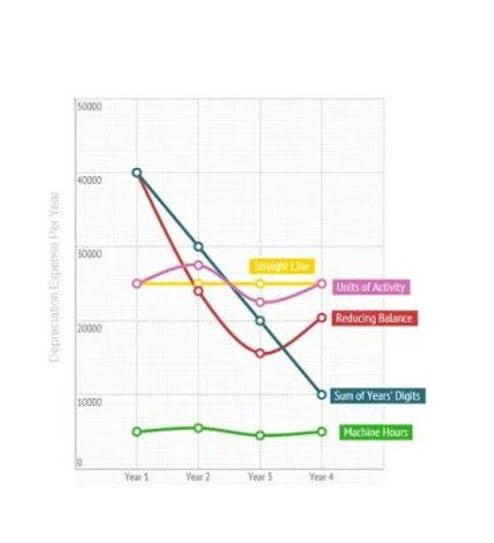
    Office supplies are considered deductible business expenses, meaning their cost can be deducted from your business’s taxable income. Bulk buying of office supplies, for example, often results in cost savings. However, it’s important to balance the benefits of bulk purchasing against the risk of overstocking items that may become obsolete or exceed the company’s needs. Additionally, investing in energy-efficient equipment or adopting digital solutions can lead to long-term savings by reducing utility bills and minimizing the need for physical supplies. Capital expenditures, on the other hand, involve longer-term investments like office furniture, computers, and equipment with a useful life extending beyond a single fiscal year. The choice of depreciation method—whether straight-line or accelerated—can significantly affect financial statements and tax obligations.

    Understanding the difference between office supplies and office expenses is crucial for effective procurement management. Office supplies encompass items that are regularly used in day-to-day operations, such as pens, paper, and printer ink cartridges. On the other hand, office expenses refer to costs incurred for services or products necessary for running a business but do not fall into the category of tangible supplies. In conclusion, understanding the difference between office expenses and supplies is crucial for managing your business effectively. Office expenses encompass non-tangible costs such as web services and software subscriptions, while office supplies refer to tangible items like pens and paper.

    What are the differences between office expenses and office supplies?

    Stay tuned for up-to-date content designed to simplify procurement and keep you ahead of the curve. Items that you need for work that used to cost more than $500 can be deprecated. That means that their value reduces over time simply because they are being used. The amount you can deduct from your taxes therefore gets smaller each year as it loses its value. Businesses can purchase bulk, shop for the best prices, and use generic brands to save on supplies.

    • An Office Supply Expense report usually includes details about types of material procured, their quantity, price per unit, total expenditure on each item along with date of purchase.
    • Another category of office expenses includes things like advertising, marketing, and professional services such as legal counsel or accounting advice.
    • By carefully tracking and categorizing expenses, businesses can gain a clear understanding of their operational costs.
    • In the end, all of these expenses get totaled together, so if you aren’t entirely sure where to put some items the more important thing is that you don’t double count them.

    Ranging from web services to software subscriptions and domain names, these underlying costs support the digital framework that keeps a company thriving in today’s online-centric market. Like any business, the cost of running an office can vary greatly depending on the company’s size, type of business, and office location. Businesses can save money on office expenses by considering these factors. Office expenses are office expense vs supplies typically depreciated over a long time since they are a long-term investment. Another main difference between office expenses and office supplies is who pays for them. Generally, a team shares office expenses, and the business owner pays for them.

    Ready to transform your procurement processes?

    An effective supply management system includes an expense policy that regulates procurement and reimbursement of all necessary materials. Deduct office supplies from profit on tax forms and consider the impact on overall business expenses. Office expenses are things that your business spends every month, such as the rent or mortgage, utilities, and insurance. Office expenses are ongoing costs you must pay regardless of how much or how little you use the office. Some grow with headcount (like HR software fees or insurance), while others stay flat (like company secretary fees).

    Access additional help, including our tax experts

    The average price of office supplies for a 40-person workplace or medium-sized business is $1,069 per employee annually – a sizeable amount for starting businesses. It used to be that all business assets (items used for more than a year) that cost more than $500 had to be depreciated. Depreciation is a way of spreading out the cost of a business asset over the life of that item. There are tons of tools out there (including some local to Singapore) that automate expense tracking, approvals, and reimbursements. This means it’s important to effectively manage these expenses as it will make or break your profitability.

    By carefully tracking and categorizing expenses, businesses can gain a clear understanding of their operational costs. Supplies are typically consumed or used up during the tax year and include items like pens, paper, and printer cartridges. Office expenses, on the other hand, often refer to larger, more durable items, such as furniture or computers, that may be depreciated over time. Differentiating between office supplies and expenses is vital for effective cost management in any business setting. By correctly categorizing these expenditures during procurement processes helps maintain accurate records of spending while enabling better decision-making when it comes to resource allocation.

    For partnerships and multiple-member LLCs, show these expenses in the “Other Deductions” section of Form 1065 (line 20). You must attach a separate statement breaking down the different deductions included in this line item. If you have a home office, you may need to deduct some office equipment in a different way to separate home use and business use. For example, your home phone isn’t deductible, but long-distance calls for business use may be. The IRS also includes postage in office supplies, but large amounts of postage for shipping products are classified differently (in cost of goods sold, as described below).

    Centralise Vendor Management

    Office expenses and supplies are often used interchangeably, but they actually refer to two different things. Office expenses include any costs related to running a business, such as rent or utilities. Supplies, on the other hand, are tangible items that are used in day-to-day operations like printer paper or pens.

    While supplies are typically used up relatively quickly and need regular replenishing, office expenses tend to have a longer lifespan and may require less frequent replacement. Remember that certain items may blur the line between being categorized as an office supply or an expense. In such cases, consider factors like frequency of use, cost threshold limits set by your company policies or tax regulations in order determine how best to classify them. Once past spending patterns are understood, businesses should implement a monitoring system to track ongoing expenses against the budget.

    To effectively manage your office expenses and supplies, it’s crucial to track and categorize your expenses. By keeping a detailed record of all your expenditures, you’ll have a clear understanding of where your money is going and be better equipped to make informed financial decisions. Accounting entries for office supplies and longer-term purchases must be handled carefully to ensure accurate financial reporting and compliance.

    Another way is to have a specific person responsible for ordering and keeping track of the supplies. Another way is to have a system where each person who uses supplies is responsible for keeping track of their usage. Furthermore, think about what items contribute to maintaining organization within the workspace. This could involve storage solutions like filing cabinets or organizers such as desk trays and bookends. Is it something that aids productivity or is necessary for carrying out specific tasks?

  • an example of a bookkeeping entry of buying on credit 8

    Purchase Goods on Credit Journal Entry

    Consequently, a prepaid asset initially appears on the balance sheet as an asset. It is typically presented as a short-term asset, since most prepaid expenses will be consumed within a short period of time. The accounts payable process looks like an easy task, but it entails very careful scrutiny of invoices because the slightest errors can spell huge losses for a company.

    Common Mistakes to Avoid with Purchase Credit Journal Entries

    Businesses use this entry whenever they buy goods (not services) and do not pay immediately. The business pays $3,000 to ABC Supplies for the earlier credit purchase. The business sells goods worth $4,500 on credit to a customer, John Doe. The business sells goods worth $5,000 on credit to a customer.

    The Accounting Equation

    The payment terms are 3/15, net 45 (3% cash discount if paid within 15 days). For example, there is company B ltd, which is manufacturing and selling watches in the market on a large scale. On 1st July 2019, it purchased some goods from one of its vendors on credit worth $ 250,000. Company B ltd asked for a credit period of 1 month from the party and agreed to pay the full amount after one month. Estimates from 2009 suggested that more than a billion business-to-business invoices were being processed each week, and 97% of these were still processed manually. The average cost to process and pay a supplier invoice was between $5 and $15, with 10% processed too late to be paid within discounting terms, and nearly 2% containing errors.

    C. Cash Flow Statement

    These goods are the computer equipment that ABC plan for internal usage. Please prepare a journal entry for the purchase of goods on credit. The credit term will vary depending on the supplier’s credit policy. The customer has the obligation to settle the payment within a certain time period. The late payment will lead to penalties such as interest charges.

    Double-entry bookkeeping’s comprehensive nature makes it essential for businesses seeking to understand their financial realities and make informed decisions. It’s a system that has stood the test of time, proving its reliability and effectiveness in various industries and business sizes. Whether you’re a seasoned accountant or a new business owner, mastering double-entry bookkeeping is a step towards financial clarity and success. Company purchase the goods on credit, they have to record the goods and accounts payable as the items already received. The buyer has to record goods receive when risk and reward are transferred from sellers.

    Financial Reporting

    In business, supplier allows the company to obtain the goods and services first and pay later. Now that we know what a purchase credit journal entry is, let’s understand how to record it. A company purchases office supplies worth $2,000 on credit from a supplier. After learning how to record credit purchases, let’s look into the proper accounting for credit sales, which is just as crucial. In business, the liability that occurs from the credit purchase of goods usually represents that we have a good relationship with our supplier. After all, purchasing goods on credit means that we can avoid the immediate cash outflow from the business.

    Journal Entries for Credit Sales

    an example of a bookkeeping entry of buying on credit

    Then this entry will get posted in ABC Tech’s ledger?account. It explains purchase entry in accounting?with proper records. These practice examples?give insights about how to record the purchase of each item.

    Payment

    For a fuller explanation of journal entries, view our examples section. These credit entries ensure your books are accurate and your financial snapshots reflect your real-time business health. A new form of financial technology that?automates the purchase recording process for a business. That is the reason recording purchase journal rightly?is truly significant. This format makes it easy for students and?accountants to prepare accounting purchase journal entries.

    • When the company settles this credit, they will again record the transaction in their books.
    • However, this flexibility to pay later must be weighed against the ongoing relationships the company has with its vendors.
    • These rules help us decide which account to debit and which one to credit.
    • In another scenario, when a company earns revenue by selling a product, the cash account (an asset) is debited, and the sales revenue account (a revenue) is credited.

    Credit Purchase Journal Entry US CMA Questions

    By implementing SECS, businesses can reduce risks, enhance cash flow, and avoid specific accounting issues. This means that when we purchase the inventory goods in, we need to record it as an increase in the inventory account immediately. Likewise, the total liabilities on the an example of a bookkeeping entry of buying on credit balance sheet will increase as a result of purchasing goods on credit. On the other hand, if we purchase the goods in cash, there won’t be any liability occurring as a result of the purchase. However, there will be an immediate cash outflow from the business.

    • To illustrate, consider a company that purchases raw materials on credit for $50,000.
    • The transaction will increase the fixed assets on the balance sheet $ 50,000.
    • These entries are the backbone of recording transactions where goods or services are purchased on credit, and any misstep can lead to significant discrepancies in financial statements.
    • A?business records all its credit purchases in its purchase journal.
    • Instead of blocking cash, businesses use the goods first and pay later.

    Debits appear on the left, credits on the right, usually indented. When the business sells items, inventory decreases (credit), and cost of goods sold increases (debit). Inventory is an asset and increases with debits when you buy goods. The cash account tracks all money the business has on hand or in the bank. Understanding key accounts like cash, receivables, payables, inventory, and retained earnings is important for accurate bookkeeping. If total debits and credits do not match, you know there is an error to fix.

  • Degree of Operating Leverage Calculator + Formula

    A low DOL occurs when variable costs make up the majority of a company’s costs. This is often viewed as less risky since you have fewer fixed costs that need to be covered. If you have a lot of fixed costs, your business will have more risk—because if there’s a downturn in sales, you’ll still have those expenses to pay. On the flip side, if there’s an upturn in sales—and most of your costs stay the same—you stand to gain substantial profit. Because if sales drop, most likely your variable costs will drop too since they are used for production. Operating leverage measures a company’s fixed costs as a percentage of its total costs.

    The higher interest expense creates more volatility in earnings and different values for the company. Debt is a necessary ingredient in a growing business, but the debt load must be in relation to its sales volume. Bigger debt loads lead to higher interest expenses, decreasing operating profits. We measure operating leverage by comparing sales changes with operating margins.

    Step 3: Apply the Operating Leverage Formula

    If a company has low operating leverage (i.e., greater variable costs), each additional dollar of revenue can potentially generate less profit as costs increase in proportion to the increased revenue. In this example, the company’s operating leverage is 2, which means that for every 1% increase in sales revenue, the operating income will increase by 2%. So, if the company produces 500 shirts this month and 1,000 shirts the next, the fixed costs stay the same, but the variable costs change as they also need more fabric and labour to produce them. The more this company relies on these variable costs, the lower its operating leverage. It’s a ratio that tells us about the relationship between these two types of costs and how they impact a company’s operating profit as sales accounting system explained in simple words change. The degree of operating leverage corresponds with a company’s cost structure, and that cost structure is critical to the company’s profitability.

    How is Operating Leverage Used in Business?

    • The better operating leverage a company owns, the quicker it can scale up as it grows, and the lower the leverage; the opposite is true.
    • Therefore, poor managerial decisions can affect a firm’s operating level by leading to lower sales revenues.
    • Anmol is a seasoned Certified Financial Planner and Assistant Vice President at Fincart, bringing over a decade of experience in wealth management.
    • Conversely, a 1% decrease in sales will cause a 2% decrease in operating income.

    The downside is that profits are limited since costs are so closely related to sales. That’s why if investors like risk, they prefer a higher operating leverage. Ambika Sharma is an established financial advisor with over 5+ years of experience in wealth management. She specializes in helping high-net-worth individuals and families achieve their financial goals through tailored investment strategies, estate planning, risk planning & Tax planning and retirement solutions.

    However, businesses with lower operating leverage may have more flexibility in pricing since their profitability is less dependent on sales volume. This means that for every 1% increase in sales, operating income will increase by 2%. Conversely, a 1% decrease in sales will cause a 2% decrease in operating income.

    At the end of the day, operating leverage can tell managers, investors, creditors, and analysts how risky a company may be. Although a high DOL can be beneficial to the firm, often, firms with high DOL can be vulnerable to business cyclicality and changing macroeconomic conditions. The airline industry, with “high operating leverage,” has performed terribly for most investors, while software / SaaS companies, which also have “high operating leverage,” have made many people wealthy. These companies with high operating leverage and low margins tend to have much more volatile earnings per share figures and share prices, and they might find it difficult to raise financing on favorable terms.

    Operating leverage can inform investors about the company’s volatility they are analyzing. For example, companies with high operating leverage can be great and profitable and vulnerable to big changes in business cycles. In contrast, a company with low operating leverage will experience less volatility when revenues change. Companies with higher degrees of operating leverage, like Microsoft, will experience larger changes in profits during revenue changes.

    Why does operating leverage matter to every business?

    While a high degree of operating leverage can be a good sign, it also means it carries a high risk when the economic conditions change for the worse. Similarly, a business with a low degree of operating leverage shows that it carries a comparatively smaller risk when the economic conditions change and can still generate profits. Of course, when assessing a business the operating leverage isn’t the only factor that is considered, but it provides a way to analyze the business nonetheless. A DOL of less than 1 may indicate that a company needs to reassess pricing levels or streamline operations to reduce per-product production costs. Whatever your operating ratio is, it should always be used with other ratios, like profit margin or current ratio, to gauge the full health of your company.

    Using the operating leverage formula and calculating the operating leverage reveals how much of the total costs you are spending on fixed costs and variable costs. It can also help you find your break-even point and ensure your pricing structure is as good as it can be. Every business should ensure it calculates operating leverage at some point to ensure the management can take correct decisions. A high degree of operating leverage provides an indication that the company has a high proportion of fixed operating costs compared to its variable operating costs.

    Operating Leverage Formula 1: Fixed Costs / (Fixed Costs + Variable Costs)

    Degree of Operating Leverage (DOL) is a financial metric used to assess the sensitivity of a company’s operating income to changes in its sales revenue. It quantifies the relationship between a company’s fixed and variable costs.The DOL is crucial for businesses as it helps determine the impact of changes in sales on a company’s profitability. This means that a small change in sales revenue will have a significant impact on operating income.

    A larger proportion of variable costs, on the other hand, will generate a low operating leverage ratio and the firm will generate a smaller profit from each incremental sale. In other words, high fixed costs means a higher leverage ratio that turn into higher profits as sales increase. This is the financial use of the ratio, but it can be extended to managerial decision-making. Since the operating leverage ratio is closely related to the company’s cost structure, we can calculate it using the company’s contribution margin.

    Real Company Example: Operating Leverage

    The biggest mistake is forecasting high growth rates when the company or industry is in the middle of the life cycle. As calculate inventory management costs the TVs gained more following, the producers added more capacity and accelerated capacity at the top of the S-curve, even as sales flattened. The second idea, industry growth, is the first resource most analysts choose when making sales predictions. The first thing we must consider is where the industry’s life cycle resides. For example, physical retail stores are in the decline phase of the cycle with the rise of internet retail. Industry growth follows an S-curve, accelerating sales early in the cycle before flattening out.

    • The degree of operating leverage is a method used to quantify a company’s operating risk.
    • Companies with high DOL might invest in scalable technologies or processes to minimize the impact of fixed costs.
    • That will help you gauge if you have a healthy metric or need to think about making some changes.
    • Operating leverage and financial leverage are two types of financial metrics that investors can use to analyze a company’s financial well-being.
    • Their variable costs are $400,000, and their variable costs per unit are $0.57 (i.e., $400,000/700,000).

    The direct cost of manufacturing capitalization rate explained one unit of that product was $2.50, which we’ll multiply by the number of units sold, as we did for revenue. Upon multiplying the $2.50 cost per unit by the 10mm units sold, we get $25mm as the variable cost. To calculate the degree of operating leverage, divide the percentage change in EBIT by the percentage change in sales. Operating leverage is particularly useful to creditors, managers, and analysts because it shows them the risk involved with a particular business.

    Generally, businesses that spend majorly on marketing and research and development are the ones that have high operating leverage such as software companies. The costs don’t change that much whether the software company sells one copy of its software or a thousand. Once it makes sufficient sales to fully cover all its fixed costs, the sales thereafter go to the profits of the software company. Although the software company has marketing and research costs, the fixed costs ensure they can generate higher profits once those costs are covered. In a low operating leverage situation, a large proportion of the company’s sales are variable costs, so it only incurs these costs when there is a sale.

    For example, for a retailer to sell more shirts, it must first purchase more inventory. When a restaurant sells more food, it must first purchase more ingredients. The cost of goods sold for each individual sale is higher in proportion to the total sale. For these industries, an extra sale beyond the breakeven point will not add to its operating income as quickly as those in the high operating leverage industry. The degree of operating leverage is a formula that measures the impact on operating income based on a change in sales.

    If a firm generates a high gross margin, it also generates a high DOL ratio and can make more money from incremental revenues. This happens because firms with high degree of operating leverage (DOL) do not increase costs proportionally to their sales. On the other hand, a high DOL incurs a higher forecasting risk because even a small forecasting error in sales may lead to large miscalculations of the cash flow projections.

  • 16 Small Business Accounting & Bookkeeping Tips

    Essentially, cost accounting considers all of the costs related to producing a product. This institute created many of the systems by which accountants practice today. The formation of the institute occurred in large part due to the Industrial Revolution. Merchants not only needed to track their records but sought to avoid bankruptcy as well.

    Specialties include general financial planning, career development, lending, retirement, tax preparation, and credit. You should always check with the product provider to ensure that information provided is the most up to date. We provide third-party links as a convenience and for informational purposes only. Intuit does not endorse or approve these products and services, or the opinions of these corporations or organizations or individuals. Intuit accepts no responsibility for the accuracy, legality, or content on these sites. This can be as simple as a statement showing your current cash position, expected upcoming cash receipts, and expected cash payments for this period.

    Income Statement

    Joe decides that the name for his corporation will be Direct Delivery, Inc. The attorney also advises Joe on the various permits and government identification numbers that will be needed for the new corporation. For the past 52 years, Harold Averkamp (CPA, MBA) has worked as an accounting supervisor, manager, consultant, university instructor, and innovator in teaching accounting online.

    Fundamentals of Double-Entry Bookkeeping

    • Signing up for sound and reliable accounting services is beneficial to assess a business’s financial health, its performance and to fulfil tax obligations.
    • GAAP (Generally Accepted Accounting Practice) and IFRS (International Financial Reporting Standards).
    • Financial accounting, on the other hand, is focused on meeting external financial standards.
    • Accounting provides a framework for tracking and analysing financial data, allowing individuals and businesses to evaluate their financial health and make wise decisions about their future.
    • This is why both accounting and cash flow management are crucial for business success.
    • We give you a team of bookkeepers to handle your bookkeeping and simple software for keeping track of your business finances.

    Accounting principles are guidelines companies must follow when recording and reporting accounting transactions. They bring uniformity to financial statements, making it harder for firms to hide information and inflate their numbers. These principles also make it easier to understand a business’s health and compare one or several companies’ financials over different periods.

    • It represents the amount that has been paid but has not yet expired as of the balance sheet date.
    • Those are the people who start off on the wrong foot and end up in Marilyn’s office looking for financial advice.
    • My objective has always been to offer no-nonsense information to readers that either saves or earns them cash.
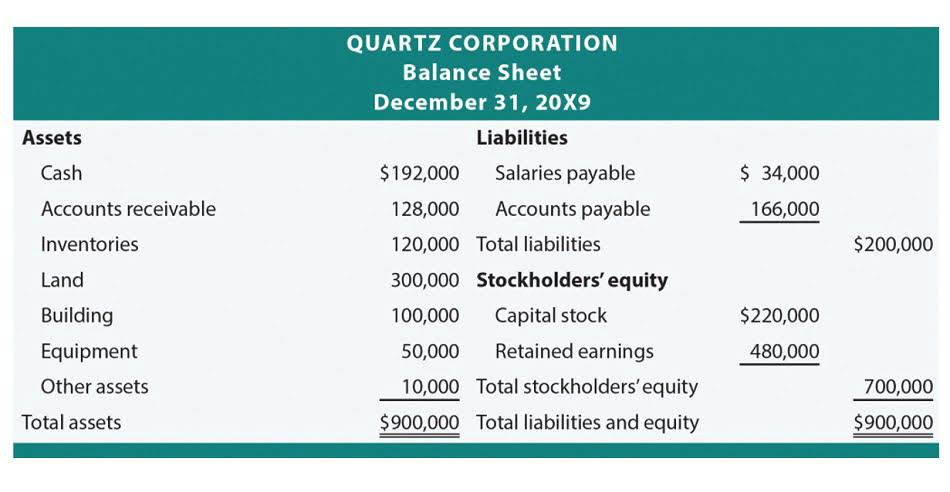
    • As you can see in the balance sheet, the asset Cash decreased by $14,000 and another asset Vehicles increased by $14,000.
    • Because of the simplified manner of accounting, the cash method is often used by small businesses or entities that are not required to use the accrual method of accounting.

    Expense tracking software, such as FreshBooks, can streamline this process and ensure accuracy. Business accounting focuses on internal tasks and does not have compliance regulations, while financial accounting is geared toward meeting external financial standards. For more ideas on small business accounting, watch this Introduction to Accounting video from the Intuit Academy Bookkeeping Professional Certificate. Learn more about what small business accounting is, its importance, some terms to know, and steps you can take to create a small business accounting system. It summarises how a company’s equity has evolved during a particular period and explains the differences between the opening and closing balances of equity.

    basics of business accounting

    Choose your accounting method (cash or accrual)

    The standards, rules, guidelines, and industry-specific requirements for financial reporting. Using double entry, we know there must be a minimum of two accounts involved—one (or more) of the accounts must be debited, and one (or more) must be credited. Marilyn points back to the basic accounting equation and tells Joe that basics of business accounting if he memorizes this simple equation, it will be easier to understand the debits and credits. As he enters his transactions, Joe will find the chart of accounts to be helpful for selecting the two (or more) accounts that are involved. Once Joe’s business begins, he may add more account names to the chart of accounts, or delete account names that are never used. Marilyn now explains to Joe the basics of getting started with recording his transactions.

    Principle of utmost good faith

    The UK-adopted IFRS is broader and wide-ranging than the FRS, and best for international businesses. The UK-adopted IFRS refers to the full International Financial Reporting Standards as endorsed for use in the UK, and it applies primarily to publicly listed and internationally oriented businesses. In the US, Certified Public Accountants (CPAs) must follow GAAP—the standard framework set by the Financial Accounting Standards Board (FASB)—when working with publicly traded companies. The requirements of the FRS are complicated and expert advice should be sought if you’re in any doubt as to your own company’s requirements under them. Assuming a company hasn’t chosen to follow UK-adopted IFRS, FRS 102 is the standard most medium and large companies follow, unless they qualify for a simpler regime like FRS 105 or FRS 102 Section 1A.

    Though many businesses leave their accounting to the pros, it’s wise to understand the basics of accounting if you’re running a business. To help, we’ll detail what you need to know about the basics of accounting. Marshall Hargrave is a financial writer with nearly two decades of experience in finance, investing, and tax industries. He’s helped create and edit content for the likes of Investopedia, Robinhood, Fortune, and Yahoo! Finance. Marshall is a former Securities & Exchange Commission-registered investment adviser with a bachelor’s degree in finance from Appalachian State University. Finally, you’ll need to file your annual tax returns for yourself and your business.

    Why is keeping accurate financial records important?

    basics of business accounting

    Without accounting, investors would be unable to rely on timely or accurate financial information, and companies’ executives would lack the transparency needed to manage risks or plan projects. Regulators also rely on accountants for critical functions such as providing auditors’ opinions on companies’ annual 10-K filings. In short, although accounting is sometimes overlooked, it is absolutely critical for the smooth functioning of modern finance. Because of the simplified manner of accounting, the cash method is often used by small businesses or entities that are not required to use the accrual method of accounting. Larger companies often have much more complex solutions to integrate with their specific reporting needs. Just as managerial accounting helps businesses make management decisions, cost accounting helps businesses make decisions about costing.

    Keeping track of your expenses is fundamental to monitoring the growth of your business, building financial statements, keeping track of deductible expenses, and preparing tax returns. Accurate expense tracking is essential for monitoring business growth, preparing tax returns, and developing financial statements. The IRS requires businesses to maintain documentation that supports the income, credits, and deductions claimed on their tax returns. They help us understand how well a company manages its cash position, which is vital for day-to-day operations. Unlike the income statement, cash flow focuses on actual cash transactions, not just profits. Income statements, sometimes called profit and loss statements, show us how much money a company made or lost over a period.

    When should you hire a full-time bookkeeper or accountant?

    With the cash method, you’ll recognize and record revenue and expenses on the day they’re received or paid. On the other hand, the accrual method recognizes and records revenues and expenses the day the transaction takes place, even if payment has yet to be made or received. Now that you understand the importance of tracking your expenses, you’ll want to decide on an accounting method for your small business. Many business owners may do it all using accounting software, while others may hire an accountant. The principle of permanence of methods confirms that all financial reporting methods remain the same over time. That way, businesses can easily compare financial reports from different accounting periods.

    Common stock is part of stockholders’ equity, which is on the right side of the accounting equation. As a result, it should have a credit balance, and to increase its balance the account needs to be credited. To increase the balance in a liability or stockholders’ equity account, you put more on the right side of the account. To decrease a liability or equity, you debit the account, that is, you enter the amount on the left side of the account. As an example, assume that Direct Delivery’s van has a useful life of five years and was purchased at a cost of $20,000. The accountant might match $4,000 ($20,000 ÷ 5 years) of Depreciation Expense with each year’s revenues for five years.

    Remember, it’s all about making things easier for yourself in the long run. The goal is to make sure everything is organized so you can easily pull reports and see where your business stands financially. Understanding these terms is crucial because they form the backbone of any financial statement.

  • 18 Tax Deductions Cheat Sheet for 2025

    Operating expenses, such as property management fees, utilities, and maintenance costs, are deductible as well. Additionally, the gradual decrease in the property’s value over time, known as depreciation, is another significant deduction. This employee benefit is an essential part of your small business tax deductions checklist, enhancing your team’s security and your business’s tax savings. It’s an essential part of managing your production costs and a vital item on your small business tax deductions checklist.

    If you use your rental property for personal purposes, such as a vacation home, then you can only deduct a portion of the cost. Fill out the form below to instantly download our rental property deductions checklist. Business-related travel expenses to visit your rental property are tax deductible.

    This includes anything from raw materials to small parts, making it a bit easier on your budget when it comes to manufacturing or creating what you sell. Fortunately, you can write-off a portion of improvements and renovations made to business deduction checklist assets. Investing in furniture or fixtures for your business space enhances the work environment and customer experience. The expense must maintain or enhance the skills necessary to operate your trade or business. Being part of professional groups or associations can be vital for your business’s growth and credibility. Marketing your business is crucial to finding customers and establishing yourself.

    Tax Checklists: Make your tax return easier

    Depending on the cost of your medical expenses and your adjusted gross income (AGI), the IRS may allow you to claim medical expense deductions. You have to claim the itemized deduction to be eligible for a medical expense deduction. Fees paid to tax professionals for preparing and filing tax returns related to the rental property are tax deductible. By keeping track of your expenses and claiming small business tax deductions, you can significantly reduce your tax bill and maximize your returns. Download the self-employed therapist tax deductions checklist at the top of this article and use it to stay organized and save time during tax season.

    Self-Employment Tax Deduction

    If your total medical expenses exceed 7.5% of your adjusted gross income, you can deduct these from your personal taxes as an itemized deduction. If you have a physical office space, there are a variety of expenses you can claim as deductions. This includes rent, utilities, and maintenance costs such as cleaning and repairs. If you take out a mortgage to purchase a home, use a home equity line of credit, or take out a home equity loan, some or all of the interest you pay is eligible for a tax deduction. It is considered an itemized deduction, so you won’t be able to deduct it if you claim the standard deduction.

    Time your deductions

    deduction checklist

    If your business suffers from theft or damage due to a major disaster recognized by the federal government, those losses are deductible. This makes staying connected with customers and managing your business communications more cost-effective. The IRS will allow you to deduct 100% of your startup expenses, up to $5,000. While no business likes to face them, penalties and fines for contract issues are deductible.

    If you have not received records that you need for your tax return, contact the relevant provider directly. For more information on capital improvements, check out the IRS Publication 527. This covers everything from hammers and saws in construction to graphic design software in marketing, helping you save on business expenses. If you rent storage space for inventory, supplies, or business records, this expense is deductible.

    Depreciation and Section 179 Expense Deduction

    To qualify for this deduction, the supplies must be used in your business during the tax year. If you have supplies that you don’t keep track of, you can still deduct the costs of what you purchased during the year. Office supplies are essential for running a business, and claiming these deductions can help improve financial health. Understanding these deductions can significantly impact a self-employed individual’s tax return. Keeping accurate records is essential for maximizing deductions and ensuring compliance with tax laws.

    They take into account either the square footage of your office space or the size of your office space in proportion to the rest of the home. Some deductions were designed to encourage certain behaviors, such as saving for retirement. If you contribute to a 401(k), for example, you put off paying taxes until retirement on the income that’s directed from your paycheck into the account.

    • Additionally, you can claim deductions for software and online services that you use to manage your business.
    • You can also deduct any insurance related to your practice, such as liability insurance, business insurance, or disability insurance premiums if they are business-related.
    • These expenses are essential for ensuring that a business operates smoothly and stays compliant with tax laws.
    • Traditional IRA contributions, which may also be deductible on your taxes depending on your income and participation in a workplace retirement plan, are capped at $7,000 in 2024.
    • Keeping track of these expenses is crucial for maximizing deductions and ensuring compliance with tax regulations.

    Or get unlimited help and advice from tax experts while you do your taxes with TurboTax Live Assisted. And if you want to file your own taxes, TurboTax will guide you step by step so you can feel confident they’ll be done right. No matter which way you file, we guarantee 100% accuracy and your maximum refund.Get started now by logging into TurboTax and file with confidence. SimplePractice is HIPAA-compliant practice management software with everything you need to run your practice built into the platform—from booking and scheduling to insurance and client billing. For larger purchases (like furniture or equipment over $1,000), you may need to depreciate the costs over several years.

    This guide will walk you through the essential tax write-offs available to self-employed individuals. Understanding these deductions can reduce your taxable income and lighten your tax burden, allowing you to keep more of your hard-earned money. This depends on whether or not your expenses exceed the standard tax deduction amount of $15,000 on eligible deductible business expenses in the 2025 tax year.

    • In summary, understanding the office supplies deduction can lead to better tax outcomes for self-employed individuals.
    • Things like deductible student loan interest and mortgage interest are tracked by lenders.
    • Keeping accurate records of inventory and expenses is crucial for this deduction to be effective.
    • These purchases are deductible, supporting your operational and financial planning.

    The deduction is limited to $12,500 for single filers and $25,000 for joint filers and follows the same income limits as the tipped income deduction. Beginning in 2025, taxpayers may be able to deduct up to $25,000 worth of certain tips from their income without needing to itemize on their returns. Not all tips apply, and the deduction is reduced if your modified adjusted gross income exceeds a certain limit ($150,000 for single filers and $300,000 for joint filers). However, taxpayers who purchase eligible cars by Sept. 30, 2025, may still be able to snag a credit on their 2025 tax returns.

    When self-employed individuals take out loans for their business, they can often deduct the interest paid on those loans. Interest on business loans, as well as credit card interest for business purchases, is generally deductible. Itemized deductions are IRS-approved expenses that can reduce your tax bill.

  • How Much Is The Social Security Tax And Who Pays It 9

    How Much Tax Will I Owe on My Social Security Benefits? The Motley Fool

    Social Security benefits are taxable based on your total income, not your age. The taxable percentage ranges from 0% to 85%, depending on your combined income. To minimize your taxes, you should consider strategies such as contributing to Roth accounts, managing your taxable income, and possibly purchasing annuities. Consult with a financial planner to develop a strategy that aligns with your retirement goals.

    • If you lived together at any point during the year, you will owe taxes on up to 85% of your benefits, regardless of your combined income.
    • The following tool estimates state income tax liability for a taxpayer with social security income.
    • Even if you fall into the highest bracket, though, it doesn’t mean exactly 85% of your benefits will be taxed — this is merely the maximum percentage that can be included in your taxable income.
    • They’re contributing billions of dollars a year to Social Security, but may never reap any retirement benefits from it.
    • GOBankingRates works with many financial advertisers to showcase their products and services to our audiences.

    They tax Social Security benefits with varying methods, using AGI or other figures. Colorado revised its tax policy for Social Security benefits in 2023, making them fully deductible for recipients age 65 and older. Once you have this number, the taxation rules are applied using specific income thresholds that vary based on your filing status.

    How much can a 70 year old make while on Social Security?

    The blend will give you greater flexibility to manage the withdrawals from each account and minimize the taxes you’ll owe on your Social Security benefits. A similar effect can be achieved by managing your withdrawals from conventional savings, money market accounts, or tax-sheltered accounts. Most Americans who receive Social Security benefits pay income tax on 50% to 85% of that money because their combined income from Social Security and other sources pushes them above the thresholds for taxes to kick in. Your AGI is your annual income minus certain tax deductions, like tax-deferred retirement contributions. Married couples filing jointly must consider both partners’ incomes and deductions. If you have municipal bonds or some tax-exempt savings bonds, you might also have nontaxable interest.

    How much can a retired person earn without paying taxes?

    • She is a Certified Financial Planner® and holds a bachelor’s degree in English from the University of Wisconsin-Madison.
    • Since withdrawals from traditional individual retirement accounts (IRAs) and 401(k)s count toward your combined income, carefully planning when and how much you withdraw can help keep your income below the taxation thresholds.
    • In 2022, the Social Security tax limit is $147,000 (up from $142,800 in 2022).
    • “Credits” here doesn’t mean “tax credits,” but “points” you earn towards qualifying for the SSA’s social programs.
    • Furthermore, examples like the one above only work if the retired couple has sufficient financial means to delay taking Social Security benefits until age 70.

    If you make $60,000 a year, you can expect Social Security to play a big part in your financial security in retirement. You’ll still need to make some other plans to bridge the gap between your salary and what Social Security pays you, but your monthly checks will get you a fair amount of the way to your goal. Unlike some private pensions, Social Security payments are based on your work history throughout your entire career.

    All investing is subject to risk, including possible loss of principal. The Motley Fool is a USA TODAY content partner offering financial news, analysis and commentary designed to help people take control of their financial lives. Unfortunately, fixing Social Security’s funding issues isn’t that simple. But taxing the wealthy could be part of a broader Social Security reform strategy that’ll likely start to crystallize in the coming years. The quickest and most effective action to fix Social Security just might be to ask the small fraction of the highest-income Americans, like Elon Musk and other wealthy CEOs, to pay all year long.

    Do you have an Intuit account?

    If they claim their Social Security benefits at 65, Social Security will pay an annual total of $24,000. They’ll need to withdraw $50,777 from their retirement account and pay $4,777 in income taxes to total $70,000 after taxes are paid. The tax treatment of private pension income and retirement savings accounts is designed to avoid double taxation. Retirement income is typically taxed either when the income is saved/contributed, or at the time the income is received, but not both. Traditional defined benefit pensions are taxable but retirees are allowed to recover a portion of their after-tax contributions tax free, each year under actuarial estimates of the amount contributed. You can make quarterly estimated tax payments to the How Much Is The Social Security Tax And Who Pays It IRS or have federal taxes withheld from your payouts before you receive them if you owe taxes on your Social Security benefits.

    Do you have to pay taxes on Social Security?

    By diversifying your investments and choosing tax-efficient options, you can create a more tax-friendly retirement income stream that helps you keep more of what you earn. Social Security is often just one portion of your income in retirement. Planning ahead and coming up with a strategy for your different sources of income can help you minimize your overall tax liability. Consider taking advantage of tax-free withdrawals from Roth IRAs and timing required minimum distributions (RMDs) from traditional IRAs and 401(k) plans. Additionally, maximizing deductions and credits, such as the standard deduction or itemized deductions for medical expenses, can further reduce taxable income. If you receive Social Security benefits from the government, for example, that money is subject to taxes.

    How Much Is The Social Security Tax And Who Pays It

    To come up with your monthly payment, the Social Security Administration looks at the 35 best-paid years of your career, adjusting earlier years for inflation to allow for apples-to-apples comparisons. You can earn any amount and not be affected by the Social Security earnings test once you reach full retirement age, or FRA. That’s 66 and 2 months if you were born in 1955, 66 and 4 months for people born in 1956, and gradually increasing to 67 for people born in 1960 and later. Based on the information provided, you will reach your Full Retirement Age (FRA) of 66 and 8 months in April of 2025 (Yep, we did the math!).

    How Much Is The Social Security Tax And Who Pays It

    If you meet income thresholds, these taxes apply to any earnings you receive for self-employment, such as for tutoring or baby-sitting. To pay, you must file special paperwork with your annual federal income tax forms. In many cases, you’ll also have to make estimated payments during the year.

    If the cost of living has increased, the SSA will adjust the benefits to reflect this change and help recipients maintain their purchasing power. This adjustment is particularly important for anyone who relies on Social Security as a primary source of income. Social Security currently has about nine years until its trust funds are depleted.

    Accounting Services

    But if you didn’t live together at all, you’re subject to the same taxation rules as individuals, heads of household, and qualifying widow(er)s. Once you reach full retirement age, Social Security benefits will not be reduced no matter how much you earn. If your combined income is more than $44,000, as much as 85% of your benefits may be subject to income taxes. At Sacred Heart’s tax-assistance site, she has helped hundreds of immigrants apply for a taxpayer identification number, which allows them to file their taxes as contractors. The use of ITIN has grown popular among immigrant workers in Richmond, she says, as many await comprehensive immigration reform. Past legalization efforts have required undocumented immigrants to prove how long they’ve been living in the United States, and to pay the taxes they owe before receiving legal status.

    The one-time payment of $1,390 is aimed at low- and middle-income individuals, as well as certain Social Security and veterans’ benefit recipients. Social Security provides a huge portion of the retirement income that Americans rely on. By knowing exactly what to expect, you can make plans about how much you’ll need to set aside on your own using special retirement accounts like 401(k) plans at work and IRAs.

  • what is the difference between an unadjusted trial balance and an adjusted trial balance 2

    Understanding Unadjusted vs Adjusted Trial Balances in Reporting

    This may be monthly, quarterly or even annually matching with the accounting period. At the end of each period, the ledger accounts are totaled and their balances are summarized in a trial balance. This is due to the company usually needs to make sure that the total balances on the debit side equal to those on the credit side before they make any necessary adjustments. Again, the adjusted trial balances are hard to identify in accounting software or digital systems as they are commonly used in manual bookkeeping systems.

    One more step…

    Creating an adjusted trial balance helps identify errors, enhance financial accuracy, and improve decision-making for the business. Adjusting entries, like depreciation or unearned revenue, are necessary to ensure the trial balance reflects all financial activities. The total of the debit column must be exactly equal to the total of the credit column. If the two totals are not the same, there is an error that needs to be found and corrected before moving forward. These summarized entries are then used to create the balance sheet, income statement, and statement of changes in equity. The next step is to make the adjusting entries and prepare the adjusted trial balance.

    Examples of adjusted trial balances

    Our goal is to deliver the most understandable and comprehensive explanations of climate and finance topics. While a trial balance is primarily a check on arithmetical accuracy and a ledger account balance check, an adjusted trial balance might go beyond that. Accountants and auditors make period-end changes to reflect more accurate account balances in an adjusted trial balance. In the context of generating honest and fair financial accounts, an adjusted trial balance is thus more significant. After all ledger accounts are tallied and balanced at the conclusion of the period, the unadjusted trial balance is created first. The second difference we might consider is that the unadjusted trial balance is usually used before all the journal entries were entered.

    BAR CPA Practice Questions: Calculating Foreign Currency Translation Adjustments

    They adjust income and expense accounts to show actual earnings and spending. The trial balance format is crucial for accurate bookkeeping before making financial statements. Its purpose is to test the equality between debits and credits after adjusting entries are made, i.e., after account balances have been updated.

    Helps in Error Detection

    The trial balance is used to test the equality between total debits and total credits. Next, look at the categories that contain adjusting entries like depreciation or amortization expenses. Take time to understand how these impact your financial reporting and their importance. Once these steps are completed, you’re ready to generate financial statements with your finalized account balances.

    After incorporating the adjustments above, the adjusted trial balance would look like this. It’s worthwhile to create hypotheses about how the month was before generating financial statements to see how much your assumptions align with the actual financial performance. He makes the following journal entry, debiting sales revenue and crediting unearned revenue. At this point, Lonnie is ready to make the adjusting entries for depreciation and unearned revenue.

    What is the Difference Between an Unadjusted Trial Balance and an Adjusted Trial Balance?

    • This is perhaps one of the simplest steps of the accounting cycle as it just requires the bookkeeper to compile the separate balances in one report.
    • After a company posts its day-to-day journal entries, it can begin transferring that information to the trial balance columns of the 10-column worksheet.
    • The goal of an adjusted trial balance is to examine the accounting accuracy of the books of accounts.
    • Remember, a trial balance is an important checkpoint, but it’s not foolproof.
    • This will help you see how the debit and credit columns are filled, how account balances are categorized, and how the final totals confirm the accuracy of your books.
    • A trial balance ensures that all bookkeeping entries are recorded accurately and that no account or entry is omitted from these records.

    The adjusting entries are shown in a separate column, but in aggregate for each account; thus, it may be difficult to discern which specific journal entries impact each account. Digital bookkeeping systems also create a detailed log of all bookkeeping transactions. The purpose of this step is to ensure every financial transaction is recorded correctly. The first step in creating the adjusted trial balance is to record all transactions in a daybook or the book of general entries. The adjusted trial balance is the final checkpoint before you create your financial statements, ensuring your records are complete, accurate, and ready for reporting.

    • If the two totals are not the same, there is an error that needs to be found and corrected before moving forward.
    • The ledger accounts are tallied and their balances are summarised in a trial balance at the conclusion of each period.
    • These two types of trial balances play distinct roles in ensuring that a company’s financial statements are both accurate and complete.
    • The unadjusted trial balance is created before any adjusting entries are made, which is why it is also known as the unadjusted trial balance errors.
    • An adjusted trial balance finalizes account balances and is the last step before generating key financial statements.
    • All ledger balances and their respective debit and credit balances are listed within this and are further used to prepare the financial statements of a company.

    what is the difference between an unadjusted trial balance and an adjusted trial balance

    The adjusting entry is made because there isn’t a corresponding financial transaction to account for this activity. Understanding a business’s financial health is an essential part of management. A book of entries will keep accounting entries in the raw format with details about these transactions, dates, amounts, supplier names, etc.

    Impact on Financial Statements

    It is “adjusted” because all of the transactions that have affected the organization’s accounts (both debit and credit) are included on it. Presentation differences are most noticeable between the two forms of GAAP in the Balance Sheet. Under instructors US GAAP there is no specific requirement on how accounts should be presented. IFRS requires that accounts be classified into current and noncurrent categories for both assets and liabilities, but no specific presentation format is required. A trial balance is usually prepared at the end of an accounting period, such as month-end, quarter-end, or year-end, after all transactions for that period have been recorded.

    This version reflects the most what is the difference between an unadjusted trial balance and an adjusted trial balance accurate account balances and is used as the basis for creating your financial statements. Within the accounting cycle, the trial balance is prepared after all transactions have been posted to the ledger and before any financial statements are created. It is an internal document used to verify accuracy and is not shared with investors, lenders, or tax authorities. Adjusting entries ensure revenues and expenses match the correct accounting period, following accrual accounting.

  • Times Interest Earned Ratio Interest Coverage: A Complete Guide

    Let us take the example of Apple Inc. to illustrate the computation of Times interest earned ratio. As per the annual report of 2018, the company registered an operating income of $70.90 billion while incurring an interest expense of $3.24 billion during the period. The times interest earned ratio measures a company’s ability to make interest payments on all debt obligations. Solvency ratios determine a firm’s ability to meet all long-term obligations, including debt payments. The Times Interest Earned Ratio (TIE) measures a company’s ability to service its interest expense obligations based on its current operating income. Times interest earned ratio is a solvency metric that evaluates whether a company is earning enough money to pay its debt.

    Working with the net debt to EBITDA ratio

    • Learn more about how to prep yourself for an SBA loan that can help grow your business and have cash reserves so that you can build better product experiences.
    • This ratio is crucial for investors, creditors, and analysts as it provides insight into the company’s financial health and stability.
    • These automatic ratio calculations could include the times interest earned ratio (which may be called interest coverage ratio) from the company’s income statement data.
    • For example, a TIE ratio of 0.8 suggests the company can only cover 80% of its interest obligations, which could deter investors or lead creditors to reconsider lending terms.
    • Also, Interest Expense is an accounting calculation that is not always exactly correct, as when it includes premiums or discounts on bond sales, for example, instead of the given rate on the face of the bonds.

    But even a genius CEO can be a tad overzealous and watch as compound interest capsizes their boat. It is necessary to understand the implications of a good times interest earned ratio and what is means for the entity as a whole. Discrepancies in the TIE ratio across industries can arise due to varying capital structures, interest rates, and the inherent volatility of specific sectors. Plan Projections is here to provide you times interest earned ratio formula with free online information to help you learn and understand business plan financial projections.

    Analysts and investors must consider these limitations when interpreting data from the TIE ratio to evaluate a company’s financial strength. It’s better to use multiple financial metrics to gain a comprehensive view of the company’s financial health. Every company is unique in its operating expenses, debt levels, earnings stability, capital structure, and more. Along with industry-specific issues, these factors affect the times interest earned ratio of a business. The ratio can also be used in making an investment decision by allowing the investors to put different companies side by side and see how well they are doing in terms so the ability to at least pay the interest on their debts.

    This means that you will not find your business able to satisfy moneylenders and secure your dividends. More expenditure means less TIE, and ultimately means that you need loan extensions or a mortgage facility if you want to keep on surviving in the business world. Downturns like these also make it hard for companies to convert their sales into cash, hindering their ability to meet debt obligations even with a good TIE ratio. The times interest earned (TIE) ratio evaluates a company’s ability to meet its debt obligations using its operating income.

    Related AccountingTools Courses

    It should be used in combination with other internal and external factors that influence the business. A higher TIE ratio indicates that the business generates enough income to comfortably cover its interest payments, while a lower ratio may signal financial stress. A higher calculation is often better but high ratios may also be an indicator that a company isn’t being efficient or prioritizing business growth. A company might have more than enough revenue to cover interest payments but it may face principal obligations coming due that it won’t be able to pay.

    On the other hand, a low TIE indicates higher risk, suggesting that operational earnings are insufficient to cover interest expenses, potentially leading to solvency concerns. The Times Interest Earned (TIE) ratio is an insightful financial ratio that gauges a company’s ability to service its debt obligations. It is a critical indicator of creditworthiness that investors and creditors scrutinize to understand a borrower’s financial stability. While TIE exclusively evaluates interest-payment capabilities, it is often considered alongside other financial ratios to provide a comprehensive view of a company’s financial health. For instance, the debt-to-equity ratio compares a company’s total liabilities to its shareholder equity to assess leverage. The times interest earned ratio can be negative if a company has negative earnings before interest and taxes.

    But you can rely on other ratios too that analyze the payment of both interest expense and principal on debt. While no single financial ratio provides a complete picture, the TIE ratio offers a straightforward yet powerful gauge of solvency that complements other metrics in comprehensive financial analysis. When properly calculated and interpreted within industry contexts and alongside trend analysis, it serves as an early warning system for potential financial distress and a valuable indicator of debt capacity. Your company’s earnings before interest and taxes (EBIT) are pretty much what they sound like. This number measures your revenue, taking all expenses and profits into account, before subtracting what you expect to pay in taxes and interest on your debts.

    A higher TIE ratio suggests that a company is more capable of meeting its debt obligations, which is critical for lenders and investors concerned with a firm’s risk level. From the lenders point of view the higher the times interest earned ratio the less risky the business is and the more they are reassured that their loans are reasonably secure. The lower the times interest earned ratio the more concerned the lender will be that the business may not be able to pay the interest. Some of the best measures of a company’s financial health are the company’s liquidity, solvency, profitability, and operating efficiency. The times interest earned ratio is a calculation that measures a company’s ability to pay its interest expenses. You can use the times interest earned ratio calculator below to quickly calculate your company’s ability to pay interest by entering the required numbers.

    times interest earned ratio formula

    Interpreting TIE in Financial Analysis

    If the TIE ratio is below 1, it indicates that the company is not generating sufficient revenue to cover its interest expenses, pointing to potential solvency issues. The composition and terms of a company’s debt can significantly influence its TIE ratio. Long-term loans with fixed interest rates may stabilize the TIE ratio, while variable-rate loans could introduce volatility, especially in fluctuating interest rate environments.

    What is the TIE ratio if the EBIT is twice the amount of total interest?

    Investors are looking forward to annual dividend payments of 4% plus an increase in the company’s stock price. Therefore, its total annual interest expense will be $500,000 and its EBIT will be $1.5 million. A TIE ratio (times interest earned ratio) of 2.5 means that EBIT, a company’s operating earnings before interest and income taxes, is two and one-half times the amount of its interest expense. The interpretation is that the company is within its debt capacity with a low risk of not paying interest on its debt.

    • Using cash basis accounting methods helps analysts and investors accurately evaluate a company’s ability to generate cash to cover its short-term financial obligations.
    • It is also called the interest coverage ratio, because it indicates whether a company is likely to be able to pay its interest expenses.
    • This provides a more comprehensive view of a company’s ability to meet all fixed financial obligations.
    • The reported range of ICR/TIE ratios is less than zero to 13.38, with 1.59 as the median for 1,677 companies.

    The times interest earned (TIE) ratio measures a company’s ability to meet its interest obligations using its operating earnings. It is calculated by dividing earnings before interest and taxes (EBIT) by the company’s total interest expense on outstanding debt. A company with consistent earnings is considered a better credit risk because the risk of potential cash flow problems and default is reduced.

    This means Company XYZ’s earnings are 2.56 times its interest obligations, indicating a reasonably healthy ability to service its debt. Company XYZ’s financial data shows a Net Income before income taxes of $375,000 and Interest Expense of $240,000. InvestingPro provides historical financial data that allows you to track Interest Coverage Ratio trends over multiple quarters and years.

    Interest and taxes in financial statements

    According to Federal Reserve data, median TIE ratios for public non-financial companies range from approximately 1.59 to 5.78 (25th to 75th percentile), with specific industry averages varying considerably. Companies with TIE ratios below 1.0 face immediate solvency concerns, as they’re not generating sufficient earnings to cover their interest obligations. A decreasing TIE ratio might signal to investors that a company faces growing financial stress, potentially leading to reduced dividends, limited growth investment, or in extreme cases, restructuring. By adding back depreciation and amortization, this ratio considers a cash flow proxy that’s often used in capital-intensive industries or for companies with significant non-cash charges.

  • The World’s Simplest Accounting Solution

    kashoo accounting

    Download and use our designer-made invoice templates totally free! No matter what industry you’re in, we’ve got something for you. If you just want to invoice, track your payments, and see which of your clients haven’t paid yet, then TrulySmall Invoices is just what you need!

    • I appreciate the option to link my bank account and view all transactions directly in my inbox.
    • The software supports multi-currency transactions making it a strong supporting tool for businesses with a global presence.
    • What makes Kashoo distinctive is its intentionally simplified approach—simple design and ease-of-use for the small business owner who wants to do his or her own books.
    • Set a budget to track your spending and we’ll let you know how you’re doing.
    • The 14 day trial applies to Kashoo or TrulySmall Accounting only.
    • Kashoo is a highly secure platform that uses 256-bit SSL encryption and multiple servers that store data in multiple locations.

    The Basics

    An easy way to look at it is, whatever you can turn into cash is an asset. Unlike the limited functionality of Kashoo and its zero scalability, this solution can be tailored with numerous add-ons and a vast variety of integration options to suit any of your needs. And different pricing plans make it affordable for many businesses.

    Kashoo Review: Simple Cloud Accounting for Small Businesses

    Kashoo offers budgeting tools to help plan and track the financial goals of its users. It also helps set budgets for different expense categories and monitor spending to stay on track. Kashoo allows for seamless integration with your bank accounts, HOA Accounting enabling automatic synchronization of transactions and simplifying bank reconciliation. Kashoo may not have many reviews, but the ones available are quite positive. Users appreciate its user-friendly interface, range of features, and excellent customer service. For a price of approximately $24 per month, we think Kashoo offers great value in the full-service software market.

    kashoo accounting

    Step 1: First Things First (Before You Set up Kashoo)

    This solution can help you improve your operations and free your accountants from manual work to let them focus on more strategic goals. Initially, tracking at the start of your business seems like an easy task. But as your business grows, you’ll need much more than just a simple spreadsheet. Complex, difficult and never-ending numbers will fill these spreadsheets. Sooner or later, you’ll realize that much more accurate and automated accounting software is needed to keep all income and expenses organized. Kashoo allows you to become https://blog.consorciocedros.com/general-receipt-sample-template-word-pdf well-versed in accounting best practices for small businesses, such as tracking, understanding the accrual method, and reading reports, in no time.

    kashoo accounting

    Kashoo Review: Accounting Software Programs

    • Our team at Meru Accounting can guide you through the optimal use of Kashoo’s features, ensuring you maximize its benefits for streamlined financial management.
    • All the data on the Kashoo server is encrypted, so it is safe from hackers and cybercriminals.
    • Kashoo even provides a freemium plan for those just starting out, equipping even the smallest business owners with reliable support.
    • Besides, all the features including contacts, accounts, bill payments, and many more were updated, too.

    The software is excellent for managing a business’s invoices and payments. Kashoo’s features include sending and receiving money and mobile payments. You can use the payments feature to send out kashoo accounting invoices and collect payments directly all in the same place. Payments can be made with cards and bank transfers too with maximum flexibility. The features include income tracking, expense tracking, automated categorization, bulk transaction editing, and project transaction tracking.

    kashoo accounting

    Step 5: Sales Taxes

    • Kashoo software offers a comprehensive yet straightforward accounting solution tailored for small businesses and freelancers.
    • You can send payment links with invoices, automate bank transactions and access up to 90 days’ worth of data on the automatic bank feed tool.
    • As you sift through the ocean of options, keep these features and considerations in mind.
    • Kashoo is quite limited in its functionality There are no advanced features, such as time tracking, workflow management, document management and inventory tools, that its competitors offer.

    The software has an easy to use interface, plus I like the charts that show your income and expenses when you sign in. I need to stay on top of my expenses and the charts help me do that as soon as I sign in. The solution allows efficient management of loans and advances, keeping track of outstanding balances, repayment schedules, and interest accrual. Kashoo allows you to collaborate with your accountant or team members in real time, making it easier to work together on financial tasks and stay updated on your financial status. While Kashoo provides essential financial reports, it currently lacks customization options and offers limited report choices. Kashoo offers quick and straightforward invoice creation, complete with the option to accept credit card payments.

    Kashoo provides comprehensive financial management features, which help track income and expenses, generate financial reports, and manage accounts payable and receivable. Additionally, Kashoo’s functionality relies heavily on bank connectivity, which may not be suitable for users who prefer manual management of bank transactions. Kashoo and QuickBooks both offer task automation, reporting tools, and a mobile app. While QuickBooks’s pricing starts at $7.50 per month, Kashoo charges $1.00 for its most basic plan’s first year, and $216.00 per year thereafter. QuickBooks also features bill management and built-in payroll solutions, which Kashoo lacks. I just received notification that the service will be going from a $50/yearly invoicing to a $200/yearly invoicing.