One of the keys to a successful taper is taking gradual steps that will cause as few side effects as possible. As such, there is only limited guidance available about the best ways to taper. Do anything and everything you can to distract yourself from drinking. Whether that’s watching TV, cooking dinner, cleaning the house, going for a walk, or taking a bath. Force your self to do normal activities, but nothing too strenuous or physical beyond what you might normally do.
- Are you tapering because you physically depend on alcohol, or are you tapering because you want an excuse to drink longer?
- This can be done by reducing the number of drinks, increasing time between drinks or choosing a weaker drink with a lower alcohol content.
- So, if you normally have 6 beers a day, you could be done tapering within one week.
Let’s talk about your recovery
- DTs can be fatal, and a person going through them should have medical support in a hospital or rehab facility.
- This will help you figure out a baseline to start your taper.
- If you’re cross-addicted to harder drugs like stimulants or opiates, you need to stop using those.
- Further, if you start to develop alcohol withdrawal symptoms during the taper, your doctor may instruct you to pause or slow the taper as a result.
Inpatient treatment may be an expensive option in terms of time and money. Unlike inpatient treatment, tapering allows people to maintain their lifestyles while improving their drinking habits. Alcohol is the third-leading preventable cause of mortality in the United States, with approximately 95,000 people dying from alcohol-related causes each year. By gradually tapering off alcohol, you can lower your risk for https://www.edurh.ru/serdtse-na-dvoih.html alcohol-related accidents or death. It’s a good idea to talk with a medical professional before you begin a taper. They can help you decide if it’s the safest way to start your recovery, and they can help you make a taper plan.

Alcohol Tapering Guide
Some alcohol withdrawal symptoms can be so severe that they can lead to death. Contact a medical professional immediately if you notice any withdrawal symptoms. This is dangerous because if you have unsuccessfully tried to stop drinking in the past with only mild withdrawal symptoms, you may assume you can handle another attempt on your own without help. Unfortunately, your brain may be sensitized to withdrawal due to kindling, which can set you up for unexpectedly severe withdrawal symptoms.
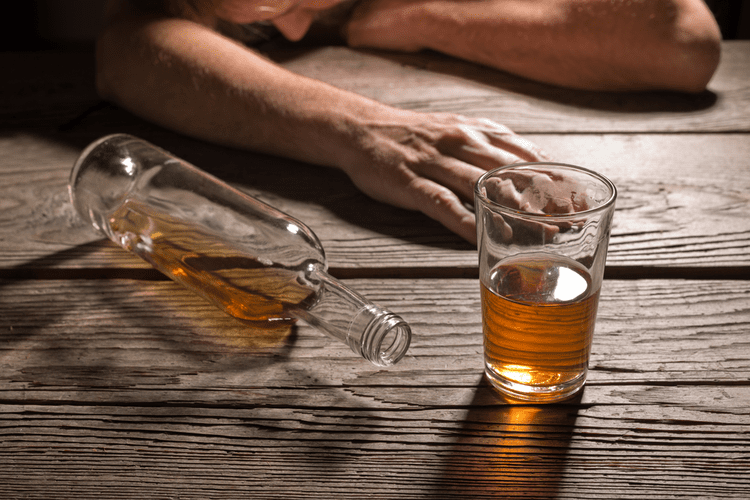
Can Tapering Your Alcohol Intake Reduce Withdrawal Symptoms?
This is why it’s always best to find some form of long-term support in sobriety. Support groups, from Alcoholics Anonymous to SMART Recovery, are one free way to find a community of people on the same journey. There are also a number of anti-craving medications to help you avoid drinking again, or even help with your tapering process. Finally, finding a therapist or a recovery coach can help you develop new coping mechanisms and move forward in your life. The time it takes to taper off alcohol varies based on how much a person drinks.
- You should not begin a tapering plan before talking to your doctor.
- I don’t think I could go through more than a couple weeks of tapering, but you do you.
- Gradually reducing the amount of alcohol you drink can help give your body the time it needs to adjust to the lack of alcohol.
- The longer and harder a person has drunk alcohol–the more severe the withdrawal will be.
- Moderately severe AWS causes moderate anxiety, sweating, insomnia, and mild tremor.
- Consuming a lighter alcoholic drink like beer also makes it easier for someone to stay hydrated throughout the taper.
Trying Non-Alcoholic Drinks
I’m specifically talking about things like weed, cigarettes, and vaping. If you’re lucky enough to have a supportive friend, a roommate, or a family member that lives with you who can assist, that is ideal. Tell them what you’re planning on doing, give them a copy of your planned taper schedule, and have them hold all the alcohol to portion out and give to you as needed. Ideally, pick someone who doesn’t also have a problem with alcohol.
Tapering or Weaning Off Alcohol
- Each person’s alcohol metabolism is different, and even though a blood alcohol content (BAC) of .085 is considered legal intoxication, a BAC lower than .08 may adversely affect some people.
- A substitution taper can involve substituting a prescription drug for alcohol.
- However, it’s still possible to experience withdrawal symptoms.
- I was a big time alcoholic who eventually crashed and burned.
- This can involve switching to a different alcoholic beverage or replacing alcohol with a prescription drug, but the latter should only be done under the guidance of a medical professional.
Experience has shown me most people who continue using other hard substances simply get high and then continue drinking. If you’re making mixed drinks, only use half a shot instead of a full shot, and turn it into two drinks (still count both as one combined). It’s okay to have a little drink, set it down, leave it for fifteen minutes, and come back to it later.
MODERATE SYMPTOMS (CIWA-AR SCORE OF 10 TO 18 OR SAWS SCORE GREATER THAN
In turn, your risk of undergoing alcohol withdrawal may be lower. You should always seek medical advice before attempting any kind of alcohol withdrawal. People with moderate to severe alcohol addiction may find an alcohol taper difficult to accomplish. If you have trouble controlling how much you drink or experience significant alcohol cravings, you may need professional help instead of trying to taper your alcohol use at home. When an individual has developed a substance use disorder or dependence on alcohol, stopping its use outright can seem virtually impossible. On top of this, quitting immediately — or “cold turkey” as many http://stungun.ru/stun_dostavka users and professionals call it — can be dangerous.
For others, simply cutting back the number of drinks can bring on alcohol withdrawal symptoms, making it more difficult to stop. Generally speaking, alcohol home detox is neither the most effective nor the safest method of quitting alcohol. However, it may be suitable for someone with a lower risk of experiencing alcohol withdrawal, or a person who has access to medical professionals at home. Creating a tapering schedule you can stick with is a crucial part of weaning yourself off alcohol. The best schedule varies based on how much you drink each day and your overall health. As mentioned above, we strongly recommend speaking http://tekst-pesni.ru/index.php?name=engsongtext&op=view&id=419475 with a doctor to ensure your plan is a safe one, and won’t cause dangerous withdrawal symptoms.









.jpeg)
.jpg)